Author: admin

  • River metals linked to tar sand extraction

    River metals linked to tar sand extraction

    Researchers find that pollutants in Canada’s Athabasca River are not from natural sources.

    Oil-mining operations in Canada’s main tar sands region are releasing a range of heavy and toxic metals — including mercury, arsenic and lead — into a nearby river and its watershed, according to a new study.

    Research published online yesterday in the Proceedings of the National Academy of Sciences shows that 13 elements classified as priority pollutants (PPEs) by the US Environmental Protection Agency were found in the Athabasca River in the province of Alberta1. Seven of these were present at high enough concentrations to put aquatic life at risk. The findings are also of concern to human health.

    Almost all of Alberta’s known oil reserves — 172 billion barrels — are found within tar sands. The provincial government expects that oil production will increase from about 1.3 million barrels per day to 3 million barrels per day by 2018.

    Tar sands mining and upgrading — the process of extracting fuel from the mix of petroleum and sand or clay — produces sand, water, fine clays and minerals that are contained within tailing ponds.

    A team led by ecologist David Schindler of the University of Alberta in Edmonton set out to test the government and oil industry’s claims that the concentrations of elements in the Athabasca River and its tributaries were from natural sources and not tar sands development.

    The team took samples of surface water from the waterways upstream of the tar sands region and compared them with samples taken within the region — both upstream and downstream of mining projects. The researchers also looked at snow samples from many of the same areas towards the end of winter to look for airborne sources of PPEs, which would be discharged to surface waters when the snow melted.

    → Keep on reading at Nature

    Image courtesy of NormanEinstein and Wikimedia Commons.

  • Sewer studies based on leaky science

    Sewer studies based on leaky science

    Questionable sampling techniques have led to murky conclusions about the contents of waste water.

    Chemicals flushing into sewer systems have been in the news for years. From opiates and hormones to heart medications, studies have detected a range of pollutants. Tests of sewage from hospitals have uncovered antibiotics, and investigations of sewage systems have exposed widespread illicit drug use in cities worldwide.

    But now a group of water-management scientists claim that some of these studies may be making exaggerated claims, producing dramatic variation in concentration estimates or not detecting substances because of fundamental flaws in sampling protocols.

    Christoph Ort, an environmental engineer at the University of Queensland in Brisbane, Australia, and his colleagues looked at 87 peer-reviewed journal articles that investigated the fate of pharmaceuticals, illicit drugs and personal-care products such as cosmetics. The articles quantified the concentrations or fluxes of these compounds based on samples taken from sewers.

    :: Continue reading at Nature News ::

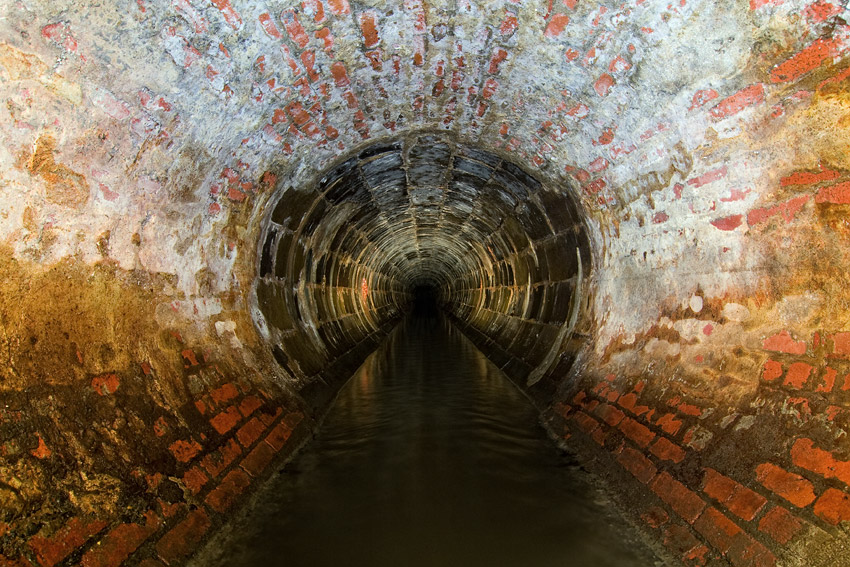
    Image courtesy of Andrew Emond at Under Montreal.

  • Arctic Ocean full up with carbon dioxide

    Arctic Ocean full up with carbon dioxide

    Loss of sea ice is unlikely to enable Arctic waters to mop up more carbon dioxide from the air.

    As climate scientists watched the Arctic’s sea-ice cover shrink year after year, they thought there might be a silver lining: an ice-free Arctic Ocean could soak up large amounts of CO2 from the atmosphere, slowing down the accumulation of greenhouse gases and climate change.

    But research published in Science today suggests that part of the Arctic Ocean has already mopped up so much CO2 that it could have almost reached its limit1. Wei-Jun Cai, a biogeochemist at the University of Georgia in Athens and an international team sampled the amount of CO2 in the surface waters of the Canada Basin, in the western Arctic Ocean. “We found that ice-free basin areas had rather high CO2 values that approached atmospheric levels,” says Cai. “It was not expected.”

    Although the Arctic Ocean accounts for only 3% of the world’s ocean surface area and is mostly covered in ice, it takes up 5-14% of all the CO2 absorbed by the planet’s oceans. It tends to take in proportionately more CO2 because gases dissolve more easily in cold water.

    Scientists had previously thought that open water would promote the exchange of CO2 between the air and the ocean and that the increase in light reaching the water would also trigger the microscopic ocean plants called phytoplankton to transfer more CO2 from the atmosphere to the ocean through photosynthesis2.

    But that “prediction was based on observations of either highly productive ocean margins or ice-covered basins prior to a major ice retreat,” says Cai. Very few scientists had surveyed CO2 concentrations in offshore waters.

    → Read more at Nature

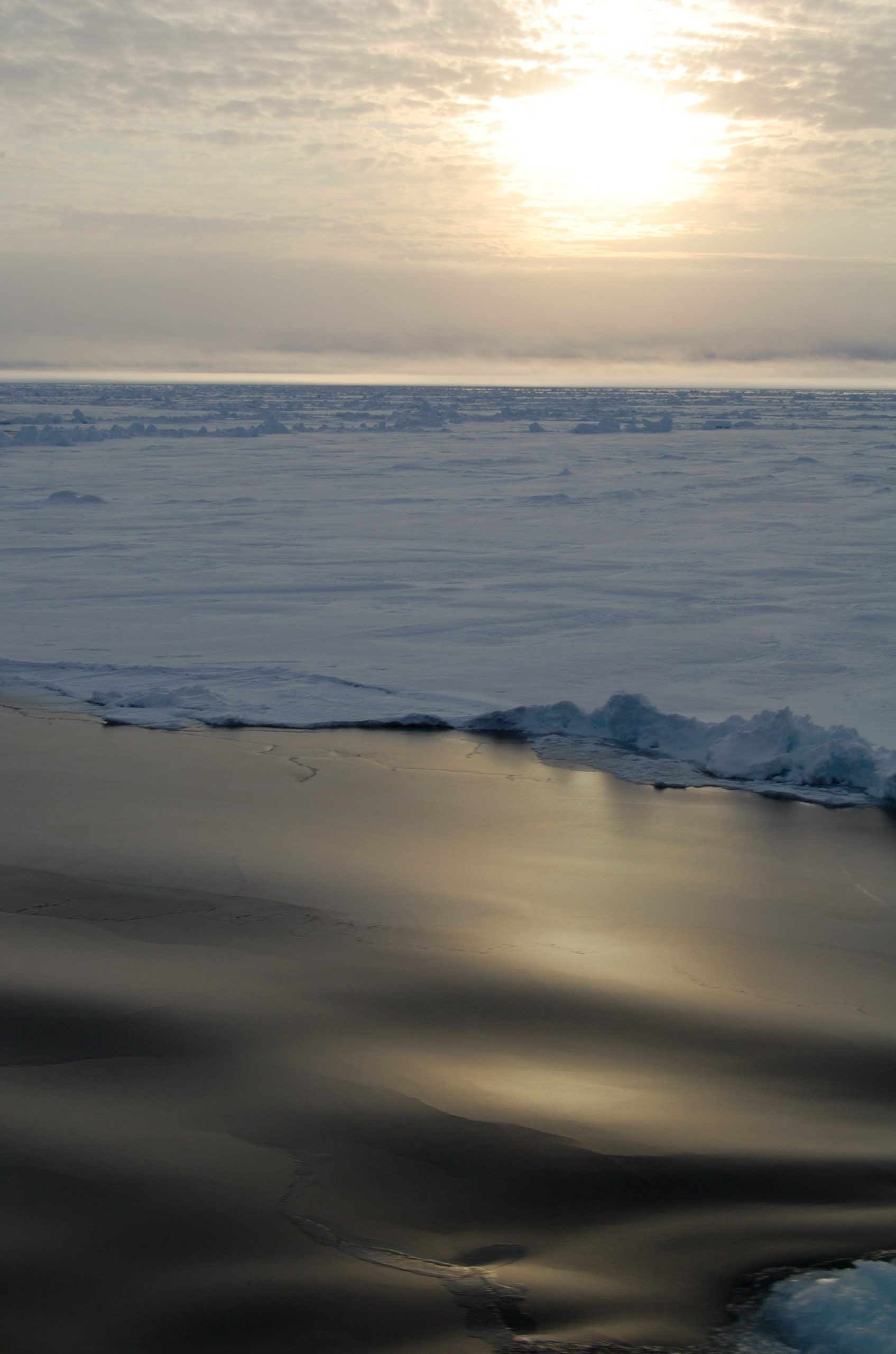
    Image courtesy of Pink floyd88 a, via Wikimedia Commons

  • Dying trees could exacerbate climate change

    Dying trees could exacerbate climate change

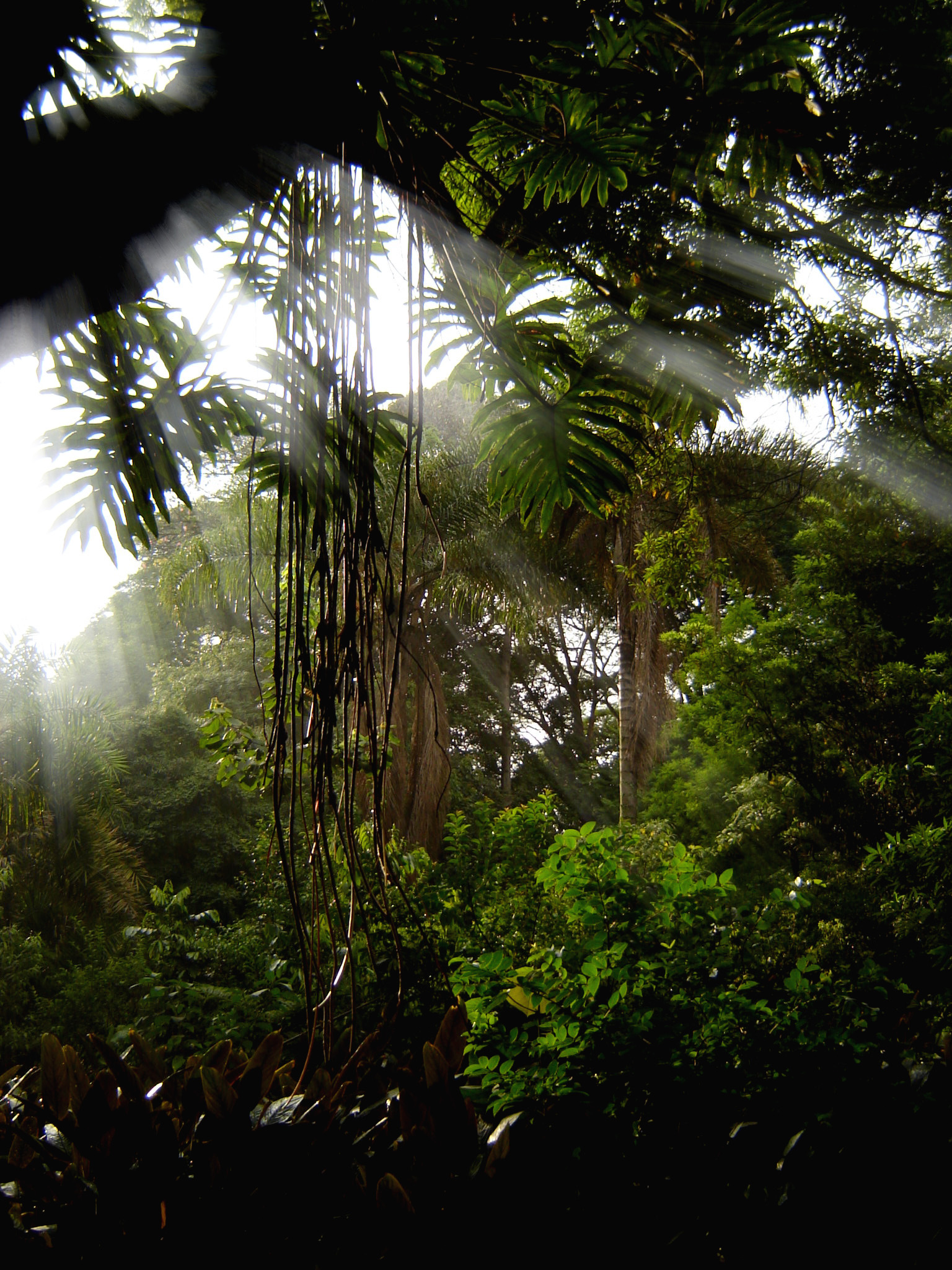
    forestForests could emit more carbon than they store if temperatures rise.

    Forestry experts have again warned that climate change could transform forests from sinks to sources of carbon. The carbon storing capacity of global forests could be lost entirely if the earth heats up 2.5° Celsius above pre-industrial levels, according to a new report.

    The analysis by the International Union of Forest Research Organizations (IUFRO) is a synthesis of existing information. “This is the first time it has been put together on a global scale,” says Alexander Buck, IUFRO deputy executive director, in Vienna. “It is the most thorough assessment of the negative and positive effects of climate change on the world’s forests.”

    :: Read more at Nature ::

  • Unearthing North America’s First French Colony

    Unearthing North America’s First French Colony

    Cartier-RobervalIn 1541, France established Fort Charlesbourg-Royal in what is now Québec City. Two years later, it was abandoned. The site was discovered in 2005, and archaeologists are trying to understand what took place at the settlement.

    On a forested outcrop at the western limit of Québec City, Gilles Samson makes his way across an archaeological site quilted with sheets of plywood and plastic. The coverings protect 16th-century stone walls from the sometimes harsh Canadian elements. He grips the edge of one of the boards and lifts, revealing a strip of neatly stacked grey stones. “We’re following the walls to get a clearer picture of the fort,” he says. Samson is in the midst of uncovering one of Canada’s most important archaeological discoveries: the charred remains of the first French colony in North America. The walls and other artifacts the archaeologists have unearthed are the remnants of Fort Charlesbourg-Royal, a settlement established by Jacques Cartier in 1541 and occupied by Jean-François de la Rocque de Roberval from 1542 to 1543, along with several hundred colonists.

    An archaeologist with Québec’s National Capital Commission and the project’s co-director, Samson reasons that the site ranks with Jamestown, the first English colony in the New World. Cartier-Roberval (as it is now called, after its founders) predates Samuel de Champlain’s founding of Québec City and New France and England’s establishment of Jamestown by more than 60 years.

    :: coming soon in American Archeology ::