Category: climate science
-
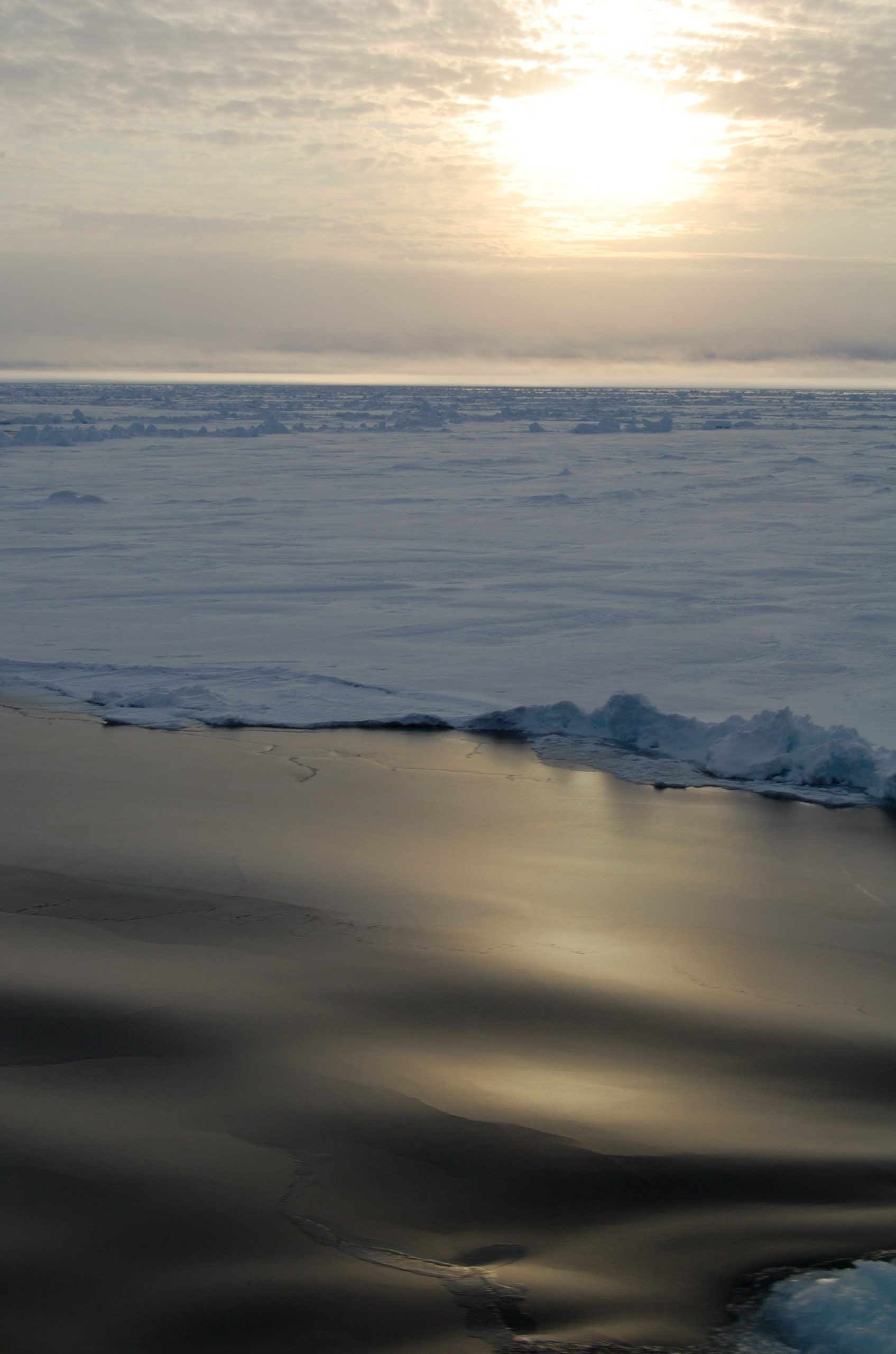
Arctic Ocean full up with carbon dioxide
Loss of sea ice is unlikely to enable Arctic waters to mop up more carbon dioxide from the air. As climate scientists watched the Arctic’s sea-ice cover shrink year after year, they thought there might be a silver lining: an ice-free Arctic Ocean could soak up large amounts of CO2 from the atmosphere, slowing down…
-
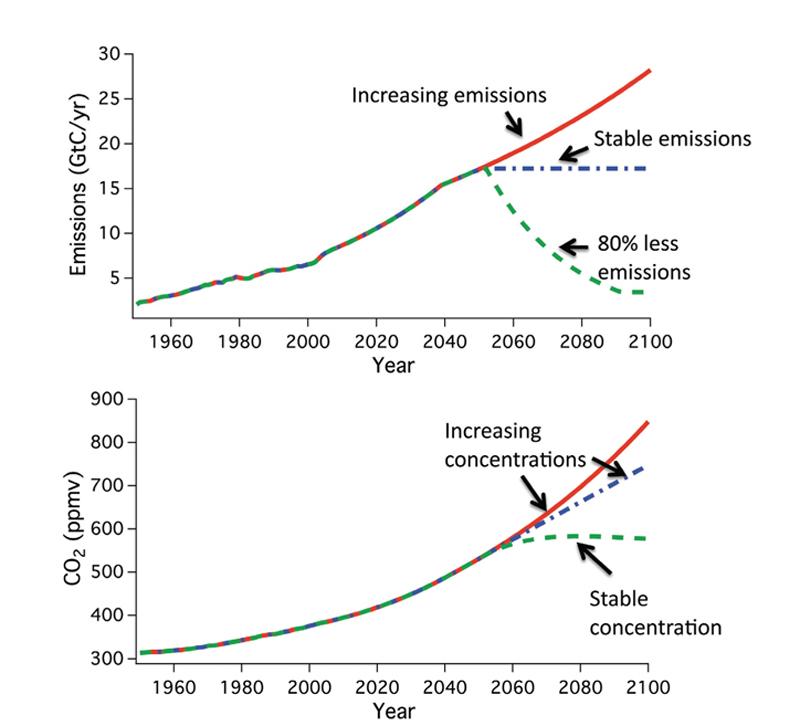
Report maps perils of warming
Degree-by-degree breakdown of climate effects published. As the US Senate gears up to debate the latest incarnation of proposed climate legislation next week, a blue-ribbon panel has released what it hopes will be a definitive guide to the consequences of climate change for lawmakers and the public. In offering a degree-by-degree breakdown of the potential…
-
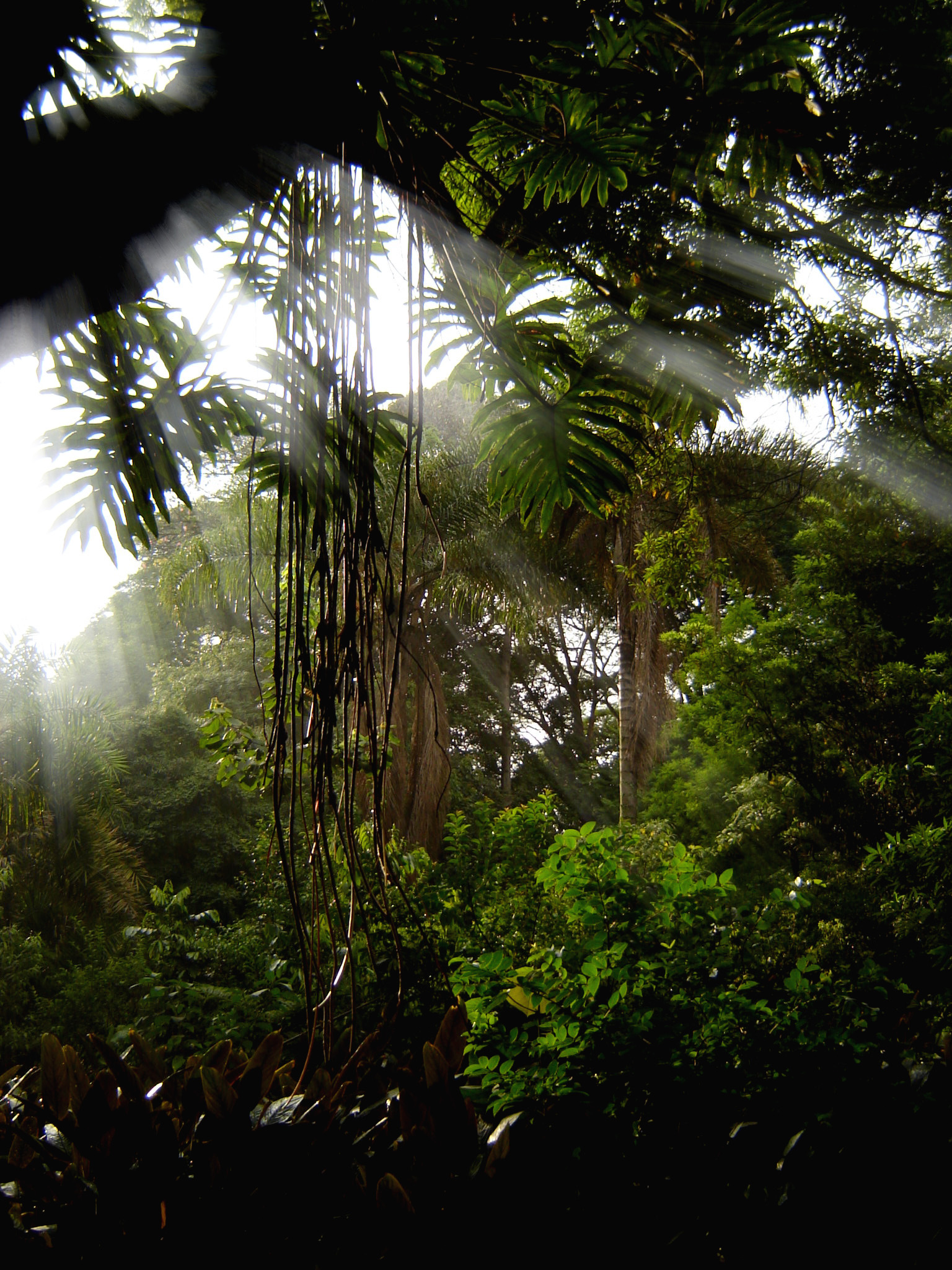
Dying trees could exacerbate climate change
Forests could emit more carbon than they store if temperatures rise. Forestry experts have again warned that climate change could transform forests from sinks to sources of carbon. The carbon storing capacity of global forests could be lost entirely if the earth heats up 2.5° Celsius above pre-industrial levels, according to a new report. The…
-
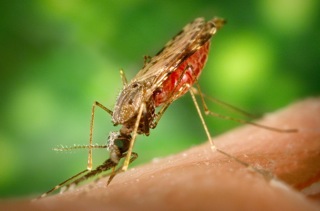
Climate change may alter malaria patterns
Malaria has long been endemic in Kenya’s humid lowlands and its tropical coast. But in recent decades there has been a spike in the number of malaria epidemics in the East African Highlands—an area where the people living there have little experience with the disease. The East African Highlands are high above sea level. Traditionally,…
-
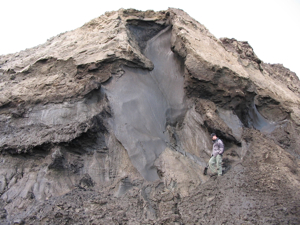
Permafrost that lives up to its name
Ancient Canadian ice survived previous warm periods. A 740,000-year-old wedge of ice discovered in central Yukon Territory, Canada, is the oldest known ice in North America. It suggests that permafrost has survived climates warmer than today’s, according to a new study. “Previously, it was thought that the permafrost had completely disappeared from the interior about…