Category: environment

  • River metals linked to tar sand extraction

    River metals linked to tar sand extraction

    Researchers find that pollutants in Canada’s Athabasca River are not from natural sources.

    Oil-mining operations in Canada’s main tar sands region are releasing a range of heavy and toxic metals — including mercury, arsenic and lead — into a nearby river and its watershed, according to a new study.

    Research published online yesterday in the Proceedings of the National Academy of Sciences shows that 13 elements classified as priority pollutants (PPEs) by the US Environmental Protection Agency were found in the Athabasca River in the province of Alberta1. Seven of these were present at high enough concentrations to put aquatic life at risk. The findings are also of concern to human health.

    Almost all of Alberta’s known oil reserves — 172 billion barrels — are found within tar sands. The provincial government expects that oil production will increase from about 1.3 million barrels per day to 3 million barrels per day by 2018.

    Tar sands mining and upgrading — the process of extracting fuel from the mix of petroleum and sand or clay — produces sand, water, fine clays and minerals that are contained within tailing ponds.

    A team led by ecologist David Schindler of the University of Alberta in Edmonton set out to test the government and oil industry’s claims that the concentrations of elements in the Athabasca River and its tributaries were from natural sources and not tar sands development.

    The team took samples of surface water from the waterways upstream of the tar sands region and compared them with samples taken within the region — both upstream and downstream of mining projects. The researchers also looked at snow samples from many of the same areas towards the end of winter to look for airborne sources of PPEs, which would be discharged to surface waters when the snow melted.

    → Keep on reading at Nature

    Image courtesy of NormanEinstein and Wikimedia Commons.

  • Canada picks site for Arctic Research Station

    Canada picks site for Arctic Research Station

    Cambridge Bay location offers a wealth of opportunities for studying the far north.

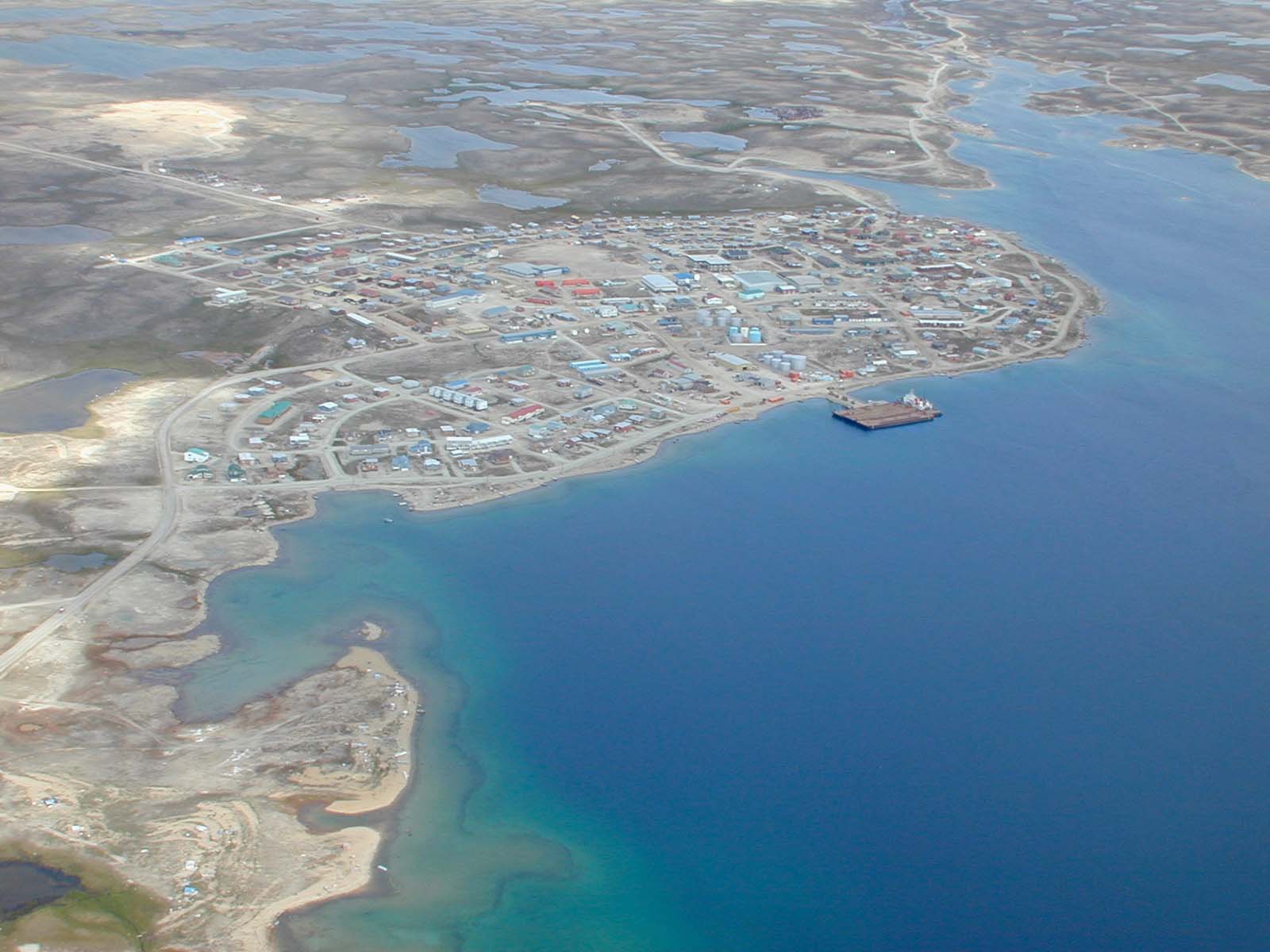
    After months of deliberation, the Canadian government has chosen Cambridge Bay — a hamlet midway along the Northwest Passage in the country’s far north — as the site for a world-class Arctic research station.

    Once built, the station will house scientists all year round, giving them a modern space to study Arctic issues, including climate change and natural resources. It will host conference facilities and laboratories for research on marine biology and geophysics, provide ecologists with the space to do long-term ecological monitoring in aquaria and greenhouses, and give researchers in the health and social sciences a base for their studies.

    “It’s a very exciting and long-awaited announcement,” says Warwick Vincent, director of the Centre for Northern Studies at Laval University in Quebec City, who was part of the committee consulted by the government during the selection process.

    The proposal for the Canadian research station was first sketched out in 2007 and a shortlist of sites was released in 2009. A Can$2-million (US$1.9-million) feasibility study for the proposed station established its functions, preliminary costs and construction schedule and involved an analysis of three possible locations: Pond Inlet, Resolute Bay and Cambridge Bay, all in the northern territory of Nunavut.

    Details about the new facility’s size or overall cost have yet to be released by the government, but sources suggest that it will be completed some time in 2017 at a cost of about Can$200 million.

    → Read more at the Nature website

    → Also found in WorldChanging’s Arctic Round-up (September 3)

  • Sewer studies based on leaky science

    Sewer studies based on leaky science

    Questionable sampling techniques have led to murky conclusions about the contents of waste water.

    Chemicals flushing into sewer systems have been in the news for years. From opiates and hormones to heart medications, studies have detected a range of pollutants. Tests of sewage from hospitals have uncovered antibiotics, and investigations of sewage systems have exposed widespread illicit drug use in cities worldwide.

    But now a group of water-management scientists claim that some of these studies may be making exaggerated claims, producing dramatic variation in concentration estimates or not detecting substances because of fundamental flaws in sampling protocols.

    Christoph Ort, an environmental engineer at the University of Queensland in Brisbane, Australia, and his colleagues looked at 87 peer-reviewed journal articles that investigated the fate of pharmaceuticals, illicit drugs and personal-care products such as cosmetics. The articles quantified the concentrations or fluxes of these compounds based on samples taken from sewers.

    :: Continue reading at Nature News ::

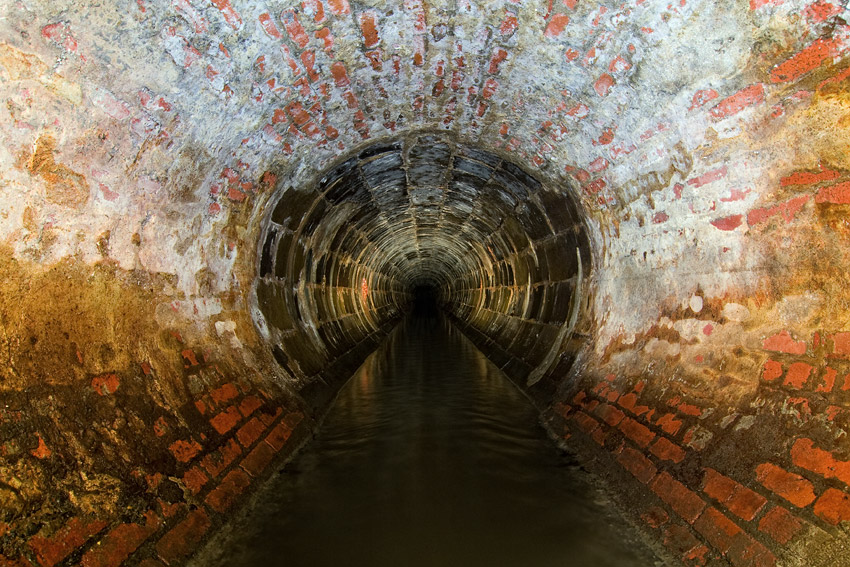
    Image courtesy of Andrew Emond at Under Montreal.

  • Arctic Ocean full up with carbon dioxide

    Arctic Ocean full up with carbon dioxide

    Loss of sea ice is unlikely to enable Arctic waters to mop up more carbon dioxide from the air.

    As climate scientists watched the Arctic’s sea-ice cover shrink year after year, they thought there might be a silver lining: an ice-free Arctic Ocean could soak up large amounts of CO2 from the atmosphere, slowing down the accumulation of greenhouse gases and climate change.

    But research published in Science today suggests that part of the Arctic Ocean has already mopped up so much CO2 that it could have almost reached its limit1. Wei-Jun Cai, a biogeochemist at the University of Georgia in Athens and an international team sampled the amount of CO2 in the surface waters of the Canada Basin, in the western Arctic Ocean. “We found that ice-free basin areas had rather high CO2 values that approached atmospheric levels,” says Cai. “It was not expected.”

    Although the Arctic Ocean accounts for only 3% of the world’s ocean surface area and is mostly covered in ice, it takes up 5-14% of all the CO2 absorbed by the planet’s oceans. It tends to take in proportionately more CO2 because gases dissolve more easily in cold water.

    Scientists had previously thought that open water would promote the exchange of CO2 between the air and the ocean and that the increase in light reaching the water would also trigger the microscopic ocean plants called phytoplankton to transfer more CO2 from the atmosphere to the ocean through photosynthesis2.

    But that “prediction was based on observations of either highly productive ocean margins or ice-covered basins prior to a major ice retreat,” says Cai. Very few scientists had surveyed CO2 concentrations in offshore waters.

    → Read more at Nature

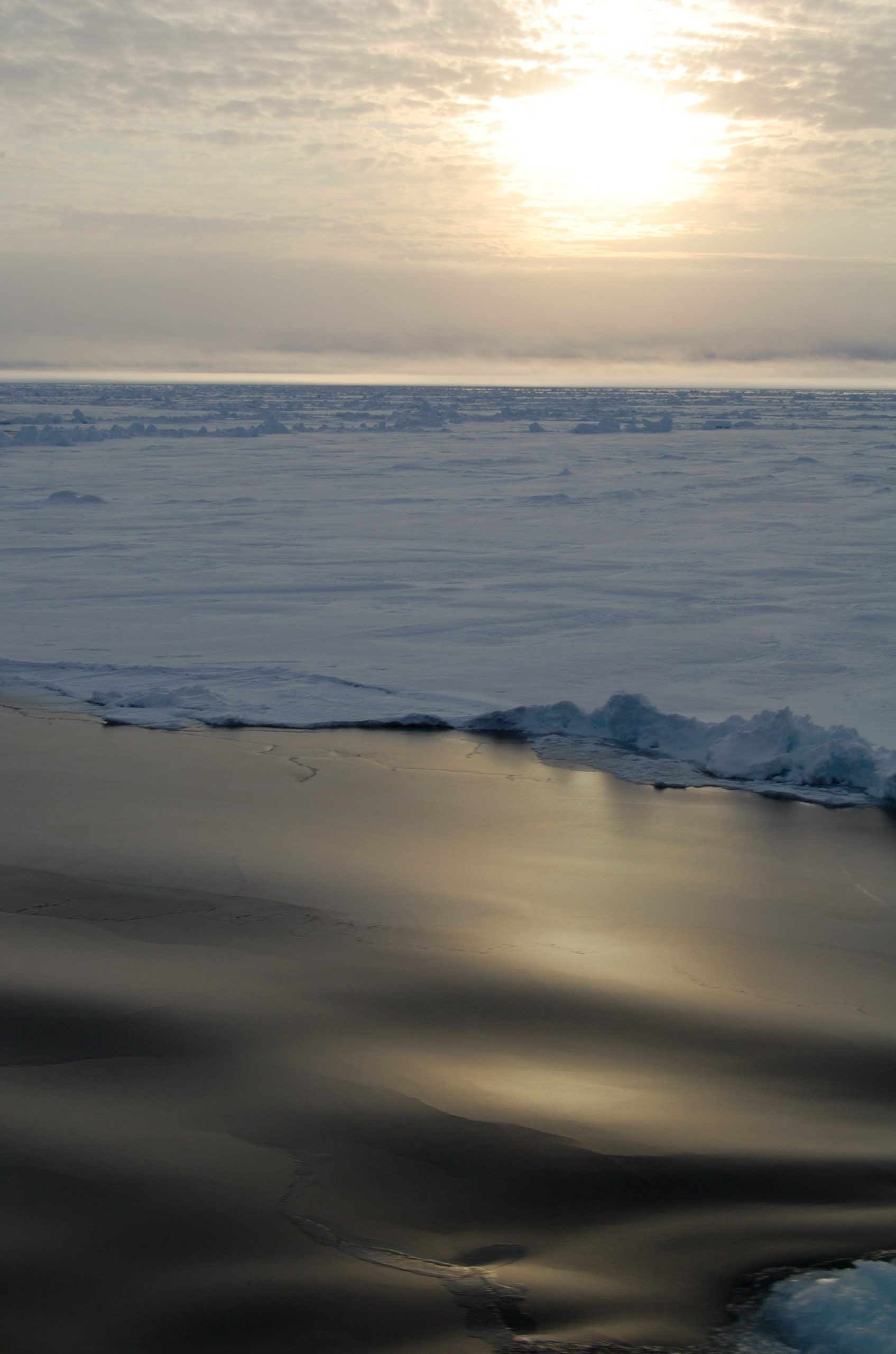
    Image courtesy of Pink floyd88 a, via Wikimedia Commons

  • Report maps perils of warming

    Report maps perils of warming

    Degree-by-degree breakdown of climate effects published.

    As the US Senate gears up to debate the latest incarnation of proposed climate legislation next week, a blue-ribbon panel has released what it hopes will be a definitive guide to the consequences of climate change for lawmakers and the public. In offering a degree-by-degree breakdown of the potential impacts of temperature change, the report aims to highlight the effects of stabilizing greenhouse gases at a chosen target level. Yet few are optimistic that the report will influence the fate of the scaled-back climate bill, which would cap emissions from electricity utility companies.

    The report, from the US National Research Council (NRC), sets out the consequences — from streamflow and wildfires to crop productivity and sea level rise — of different greenhouse-gas emissions scenarios. It also concludes that once the global average temperature warms beyond a certain point, Earth and future generations will be stuck with significant impacts for centuries or millennia.

    Previous assessments tended to tie predictions to specific years or concentrations of carbon dioxide in the atmosphere. But because no one knows the course of future carbon dioxide emissions, this approach amplifies the uncertainties. The NRC report instead sets out the effect of each additional degree of warming, whenever that might happen. “There are some very important future impacts of climate change that could be quantified somewhat better than we previously thought,” says Susan Solomon, a senior scientist at the National Oceanic and Atmospheric Administration in Boulder, Colorado, who chaired the report committee.

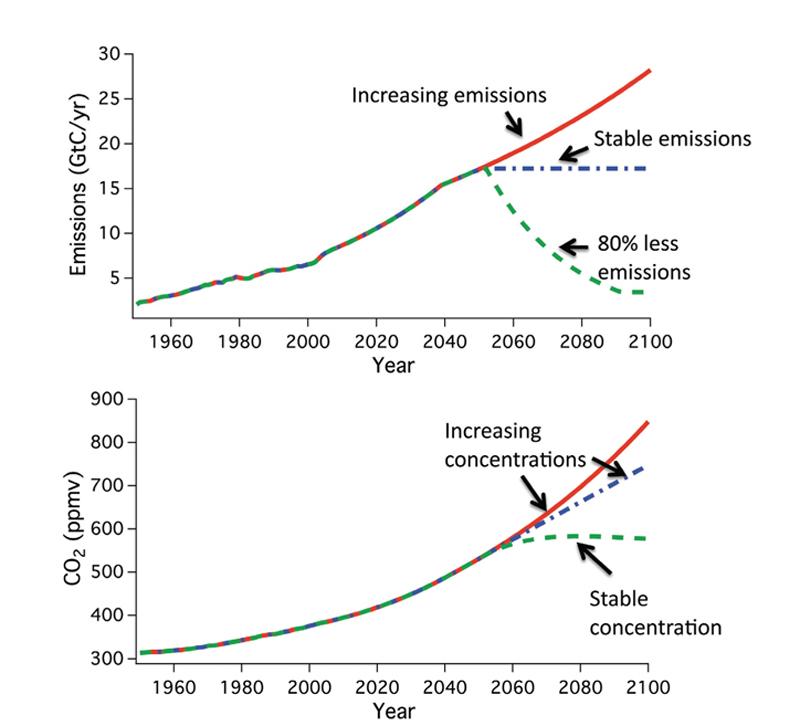
    For example, the report shows that each 1 °C of warming will reduce rain in the southwest of North America, the Mediterranean and southern Africa by 5–10%; cut yields of some crops, including maize (corn) and wheat, by 5–15%; and increase the area burned by wildfires in the western United States by 200–400%. The report also points out that even if the atmospheric concentration of carbon dioxide is stabilized, the world will continue to warm for decades. If concentrations rose to 550 parts per million, for example, the world would see an initial warming of 1.6 °C — but even if concentrations stabilized at this level, further warming would leave the total temperature rise closer to 3 °C, and would persist for millennia.

    “It is blunt, direct and clear. Unlike the IPCC reports you don’t see any hedge words.” — Steve Cohen, executive director of the Earth Institute at Columbia University in New York City.

    Deep cuts in carbon dioxide emissions would be needed throughout this century to avoid this long-term warming, something recognized in the American Power Act proposed by Senator John Kerry (Democrat, Massachusetts) and Senator Joe Lieberman (Independent, Connecticut). The bill aims to reduce emissions by 17% below 2005 levels by 2020 and by more than 80% by 2050.

    “The report says an 80% cut is meaningful,” says Jay Gulledge, director of the science and impacts programme at the Pew Center on Global Climate Change in Arlington, Virginia. “I’ve never seen that stated before, but it is based on the best calculations for the carbon cycle.”

    → Read more at Nature