Category: environment

  • Caribou genetics reveal shadow of climate change

    Caribou genetics reveal shadow of climate change

    Nature

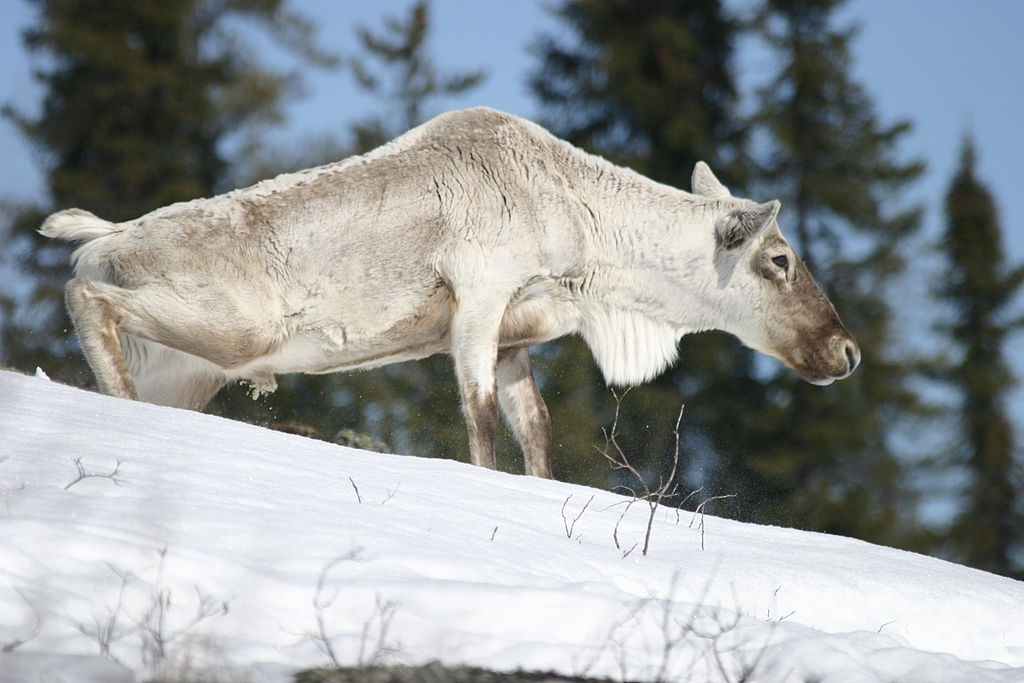
    Ancient ice ages that shaped modern caribou populations may foretell animals’ fate in a warmer world.

    When ice sheets marched across North America 20,000 years ago during the Last Glacial Maximum, they devoured liveable areas for caribou and isolated them from their Eurasian relatives for thousands of years.

    Now researchers have evidence that such climatic events have sculpted the genetics of North American caribou, which may make the animals unable to adapt to future climate change.

    “Although the past is not a guarantee for the future, it makes me pessimistic about the future of the species,” says Glenn Yannic, a population geneticist at Laval University in Quebec City, Canada, and lead author of a study published today in Nature Climate Change1.

    Major caribou herds around the globe are in decline. Scientists have blamed this on natural resource development and new roads that encroach on caribou habitat, and on changes in climate that put migrating caribou out of sync with spring plant growth, leaving them hungry. Most studies that forecast climate impacts on species look at ecosystems, individual species or populations, but not genetic factors on a global scale, says Yannic.

    Keep reading this story at Nature.

  • Ozone-hole treaty slowed global warming

    Ozone-hole treaty slowed global warming

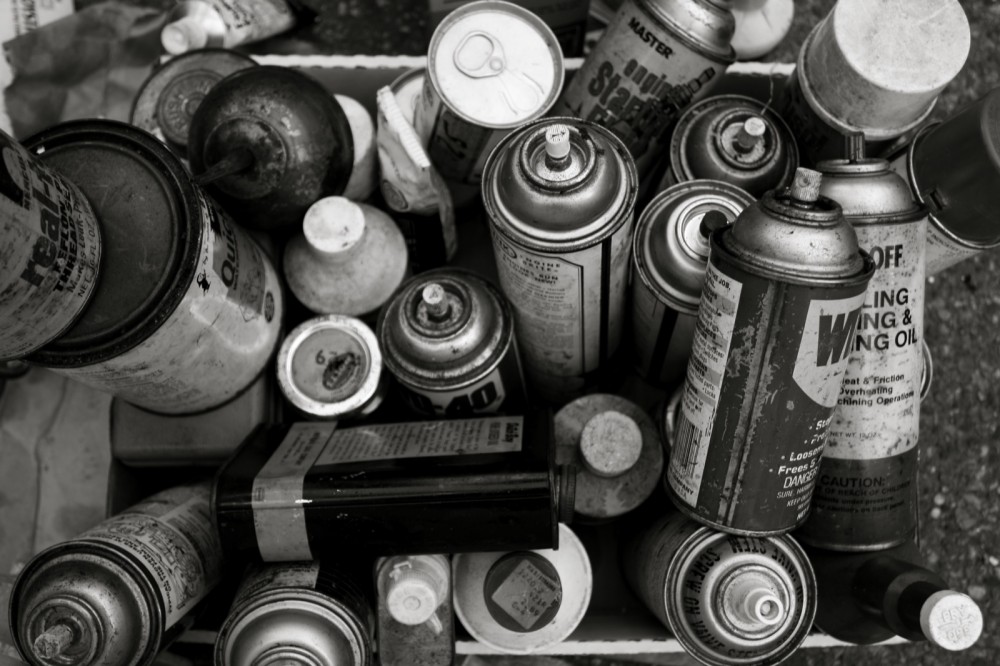
    Montreal Protocol helped to curb climate change and so did world wars and the Great Depression.

    Human actions that were not intended to limit the greenhouse effect have had large effects on slowing climate change. The two world wars, the Great Depression and a 1987 international treaty on ozone-depleting chemicals put a surprising dent in the rate at which the planet warmed, says research published today in Nature Geoscience1.

    Francisco Estrada, an ecological economist at the Free University in Amsterdam, and his colleagues analysed annual temperature data collected from 1850 to 2010, as well as trends in emissions of greenhouse gases such as carbon dioxide, methane and chlorofluorocarbons (CFCs) — ozone-depleting substances that also trap heat in the atmosphere — between 1880 and 2010.

    Instead of relying on climate-model simulations, the researchers used a statistical approach that they say helped them to get a better look at how components of the climate system contribute to its warming or cooling by trapping heat, an effect called radiative forcing. They found that changes in warming coincided with human-initiated adjustments in greenhouse-gas emissions.

    A cooling period between 1940 and 1970 had previously been chalked up to natural variability and the Sun-shielding effect of pollution emitted by European industries, as they recovered after the Second World War. But Estrada and his colleagues found that it followed a reduction in greenhouse-gas emissions associated with economic downturns, when industries were less active. Significant drops in emissions occurred during the First World War, the Great Depression of the 1930s and the Second World War.

    “When the wars end and you have large economic growth, the emissions of CO2 rise fast and you have the onset of modern climate change,” says Estrada.

    Keep reading this article in Nature.

    Image by Scott Witt via Flickr.

  • Lady of the Lakes

    Lady of the Lakes

    Nature

    Diane Orihel set her PhD aside to lead a massive protest when Canada tried to shut down its unique Experimental Lakes Area.

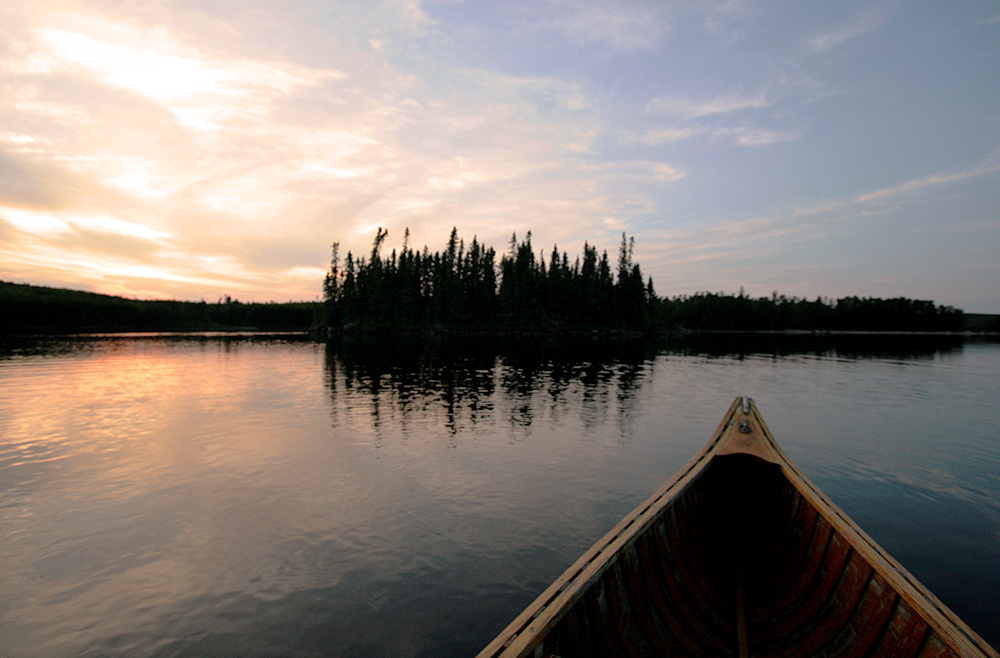
    It was an ominous way to start the day. When she arrived at work on the morning of 17 May 2012, Diane Orihel ran into distraught colleagues. Staff from Canada’s Experimental Lakes Area had just been called to an emergency meeting at the Freshwater Institute in Winnipeg. “It can’t be good,” said one. (more…)

  • In carbon sequestration, money grows on trees

    In carbon sequestration, money grows on trees

    Guyana’s tropical rainforests protected under the REDD program provide not just natural resources but an income stream to the country.

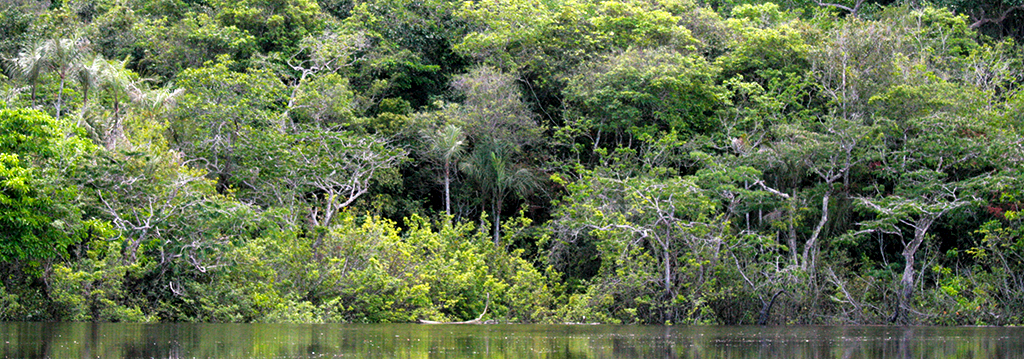
    Two hours south of Georgetown, Guyana, a paved highway recedes, giving way to a rutted red road gushing through thick rainforest. In its muddiest spots, the road swallows trucks and spits them out at dangerous angles. Many hours later, it leads to an area of protected land called Iwokrama, a Rhode Island-size forest in the heart of Guyana, crowded with ancient buttress-trunked trees draped in liana vines.

    [media-credit name=”Hannah Hoag” align=”alignleft” width=”300″]red-mud-guyana[/media-credit]Since 2003, Jake Bicknell has been a fixture within this forest. Now a doctoral student in biodiversity management at the U.K.’s University of Kent, he is cataloging Iwokrama’s iconic and bizarre species, including jaguars, giant anteaters, anacondas, and scads of birds and bats. (Guyana boasts more than 700 bird and 120 bat species.)

    Specifically, he’s in Iwokrama to find out how logging affects tropical forest wildlife. Conventional logging ruins forests and decimates species, but low-impact methods of harvesting timber might not be so damaging. In fact, Bicknell believes selective logging can become a tool for protecting the forests and biodiversity of Guyana — a developing country eager to tap its natural resources as a way to boost its economy.

    “There will always be a market for products extracted from forests, so the point is to do it in the least impacting way,” says Bicknell.

    Keep reading this story in the November 2013 issue of Discover

  • Ozone loss warmed southern Africa

    Ozone loss warmed southern Africa

    Nature

    Antarctic ozone hole’s effects may have spread much wider than thought.

    Ozone loss over the South Pole might be the reason for a two-decade rise in early summer temperatures across southern Africa, according to research published today in Nature Geoscience1.

    Desmond Manatsa, a climate scientist at Bindura University of Science in Zimbabwe, and colleagues analysed data sets of southern African climate from 1979 to 2010, covering the years before and after the development of the ozone hole over the Antarctic. They found that the size of the ozone hole seemed to influence wind patterns and triggered an upward shift in early summer temperatures.

    Manatsa had been puzzled by the abrupt and seasonal increase in surface air temperatures in southern Africa. “The temperatures were actually significantly higher than those of other seasons and the rising assumed a shift rather than a slow and gradual manner,” he says. The warming did not match what he expected to see from greenhouse-gas emissions.

    Continue reading the story in Nature

    Image via sergioarosa on flickr.