Category: features

  • The New Lice Wars

    The New Lice Wars

    Maclean’s

    Despite evidence that it’s time to abandon the no-nit rule requiring kids be sent home, schools have yet to get the message.

    When her three-year-old daughter was in daycare, Lisa got her first lice-alert telephone call. There were a slew of calls during senior kindergarten and more in Grade 1. The message was the same each time: Her daughter had nits in her hair and needed to be picked up. Lisa, who lives in Toronto, would postpone client meetings and collect her. “Thank God I work for myself. I have great clients,” says Lisa, who asked that her full name be withheld.

    The Toronto District School Board (TDSB) is one of the few school boards in Canada that sends kids home when head lice or their eggs, called nits, are discovered. Its no-nit policies require children to be free of nits before they return to school.

    These dreaded lice calls peak after school breaks—in September, January, and after the March break. Children pick up the bugs at sleepovers, camp, or on family vacations when they visit friends and relatives, and bring the hitchhikers to class.

    “There has been a concern about head lice in school for years, and the board developed a procedure for how best to deal with it,” says Chris Broadbent, the manager of health and safety at the TDSB. The policy, in place since January 2001, has been reviewed every few years, most recently, in May 2012. “We always look at the medical advice out there,” says Broadbent.

    But the current policy runs counter to the latest recommendations of the Canadian Paediatric Society (CPS). “We don’t think a no-nit policy makes any sense,” says Joan Robinson, a member of the Canadian Paediatric Society’s infectious disease and immunization committee. In 2008—and again in 2014—the CPS evaluated the available evidence on controlling nits and lice, and determined there was no medical rationale for excluding children from school because they had nits or lice. “Unless you inspect every child, every day, how do you know there isn’t a child in school who does have head lice?” asks Robinson. “It becomes discriminatory.”

    → Keep reading this story at Maclean’s

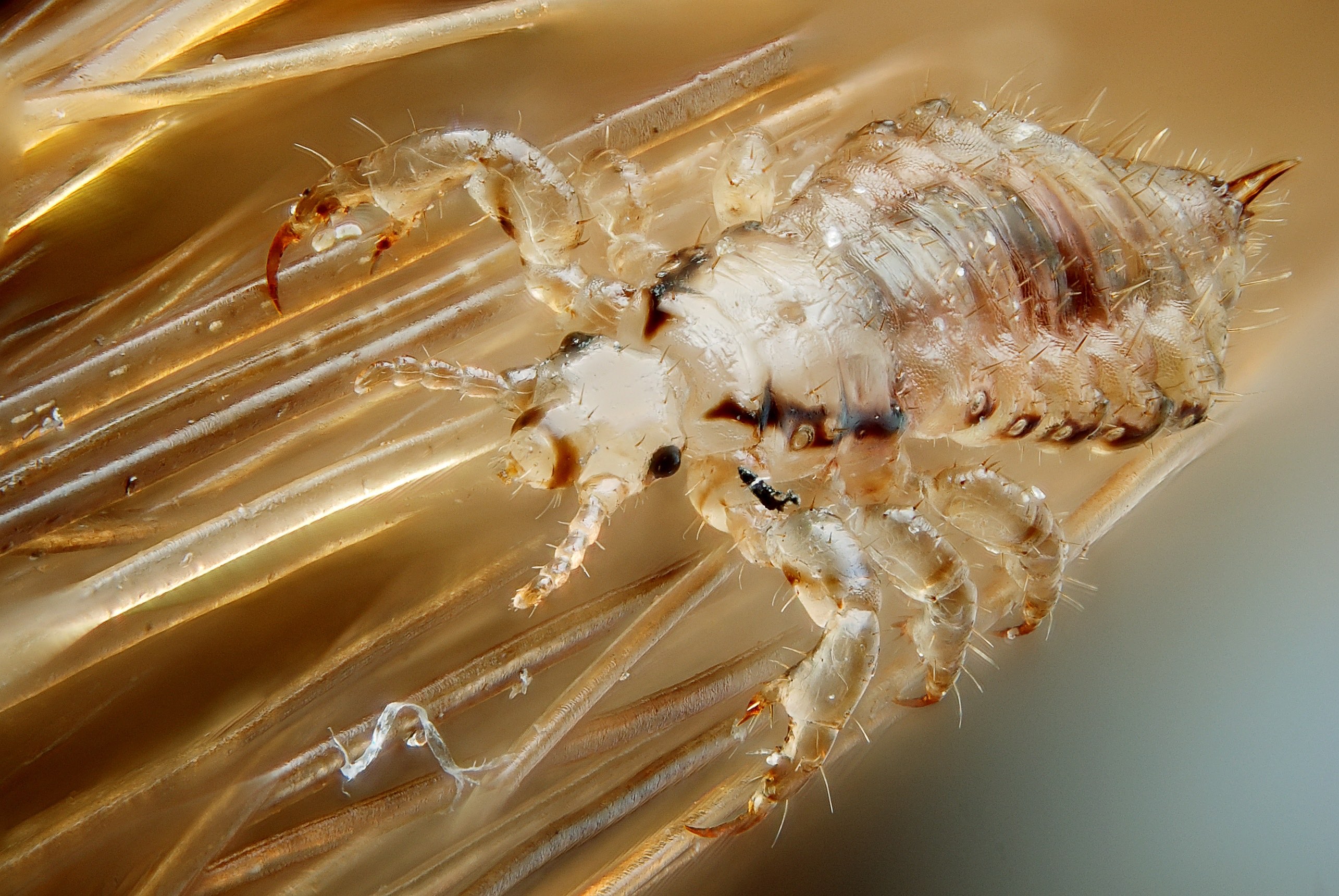
    “Male human head louse” by Gilles San Martin – originally posted to Flickr as Male human head louse. Licensed under CC BY-SA 2.0 via Commons – https://commons.wikimedia.org/wiki/File:Male_human_head_louse.jpg#/media/File:Male_human_head_louse.jpg

  • Greenland: A tale of fire and ice

    Greenland: A tale of fire and ice

    During the summer of 2012, fires exploded across the drought-stricken Colorado Front Range—a heavily populated area where the Great Plains meets the Rockies. One evening in early June, lightning struck a tree in the foothills west of Fort Collins. It ignited a fire that burned quietly for a few days and then rocketed downslope, fueled by a windstorm and bone-dry trees, dead from a mountain pine beetle infestation, and engulfed 30 square miles of forest in a single day.

    “This is the fire we always worried we might have,” Larimer County Sheriff Justin Smith had said at a news conference that night. The High Park fire grew to 136 square miles—four times the size of Manhattan. It was, at the time, the second-largest fire recorded in Colorado history.

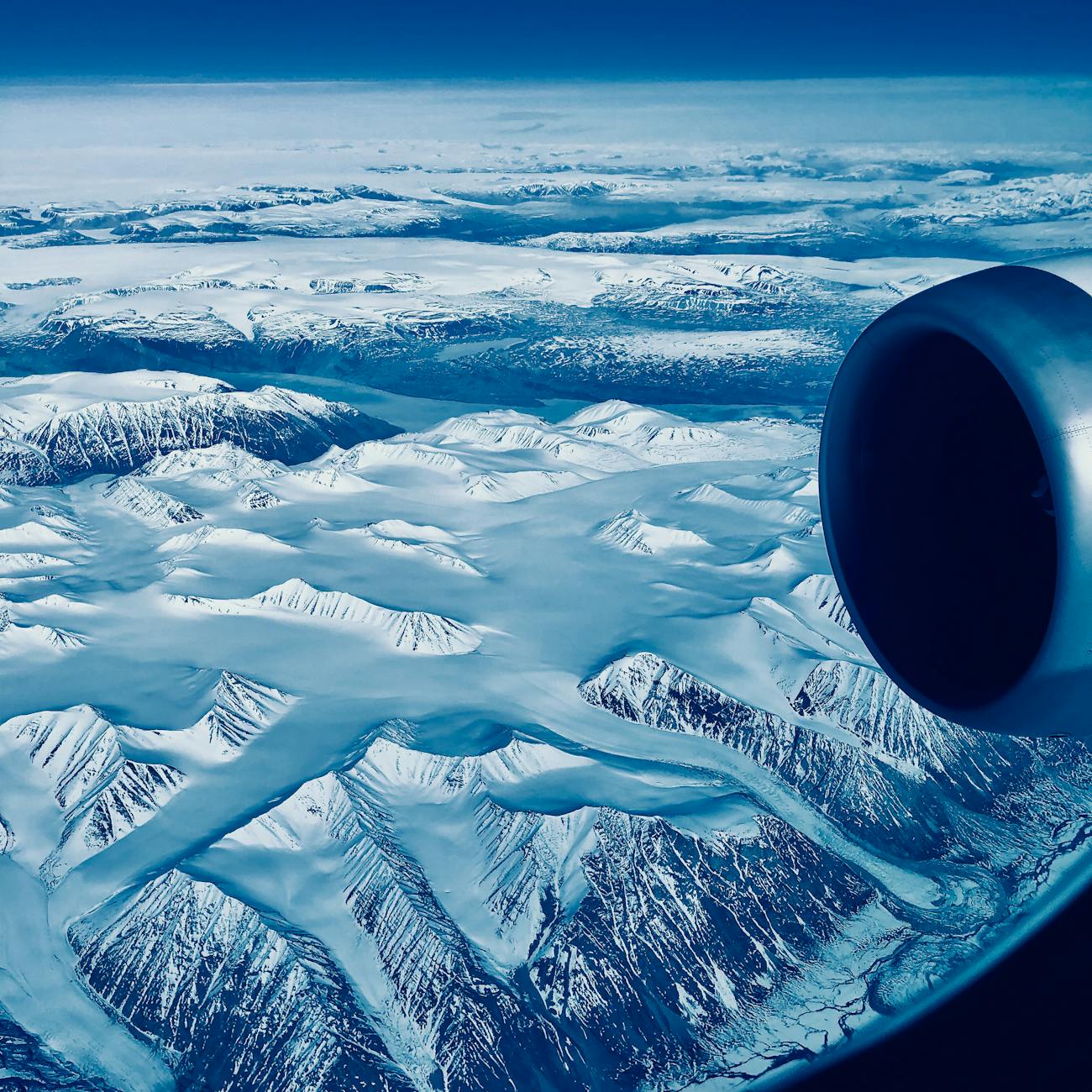
    Jason Box, a glaciologist who grew up in Colorado, watched the disaster play out on television in the departure area at LaGuardia Airport in New York. “People were glued to the screens,” he says. Box, then a professor at the Ohio State University who now works for the Geological Survey of Denmark and Greenland, was waiting for a flight that would take him to Greenland for the 2012 field season to study the dynamics and melting of the Greenland ice sheet. He suddenly had a thought: Could soot from the wildfires melt Greenland’s ice sheet?

    Scientists have known for years that soot reduces the ability of snow and ice to reflect solar radiation back into space. They’ve found tiny black particles in the Arctic snow and ice that have come from the burning of fossil fuels, agricultural fields, trees, and grasslands thousands of miles away. Pure white snow is highly reflective—it has an albedo of 0.9, meaning it returns 90% of the solar energy that hits it. But snow that’s darker—say, if it is covered with soot—absorbs the sun’s energy, warming, melting and becoming even darker. It then absorbs more energy, launching a positive feedback cycle that causes local—and even regional—warming.

    If this cycle were to happen on a large scale in Greenland, it could spell trouble for the ice sheet, which holds 8% of the Earth’s freshwater and is suspended frozen atop the bedrock. If the ice sheet melted entirely, global sea levels would rise 23 feet. Yet even one foot—a plausible scenario that could play out within the next 35 years—would be enough to inundate millions of homes and send the cost of coastal damage from erosion, storm surges, and salt water encroachment soaring. Combined with the recent news that the West Antarctic ice sheet is already collapsing—which itself could release enough water to raise sea levels 13 feet—our descendants are likely looking at a very watery future.

    In Greenland that summer, Box tried to collect snow samples that would allow him to test his hypothesis, but launching a new project on the fly proved impossible. “I underestimated in the end how hard it would be to get those samples,” he says. “It was pretty discouraging.” But because any black carbon from the wildfires would get buried in subsequent snowfalls, he knew he had time. Or so he thought.

    .::. Keep reading this story at PBS’s NOVA Next.

  • Lady of the Lakes

    Lady of the Lakes

    Nature

    Diane Orihel set her PhD aside to lead a massive protest when Canada tried to shut down its unique Experimental Lakes Area.

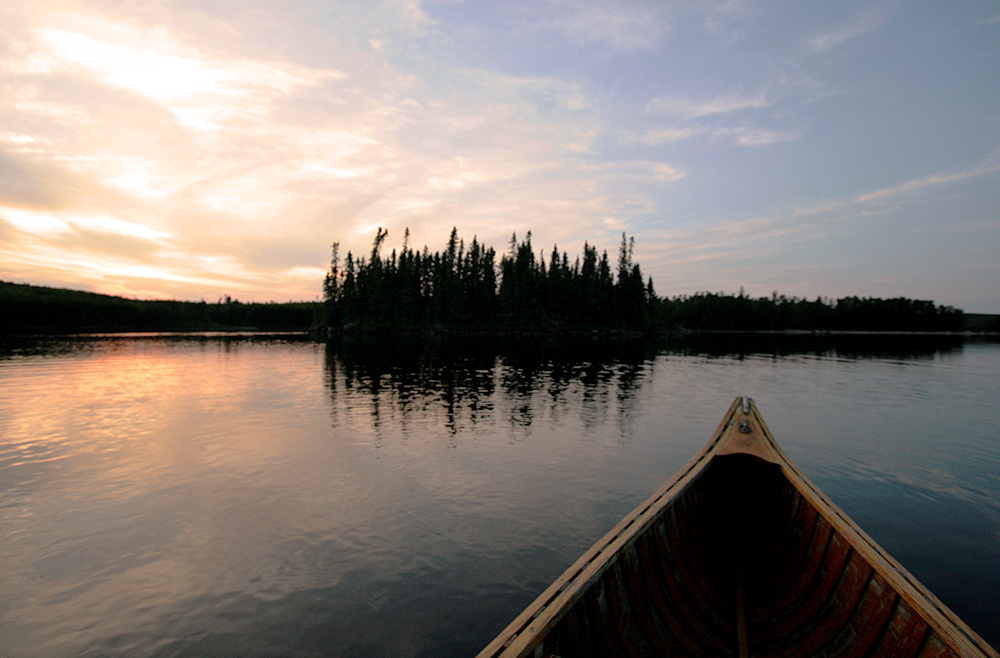
    It was an ominous way to start the day. When she arrived at work on the morning of 17 May 2012, Diane Orihel ran into distraught colleagues. Staff from Canada’s Experimental Lakes Area had just been called to an emergency meeting at the Freshwater Institute in Winnipeg. “It can’t be good,” said one. (more…)

  • In carbon sequestration, money grows on trees

    In carbon sequestration, money grows on trees

    Guyana’s tropical rainforests protected under the REDD program provide not just natural resources but an income stream to the country.

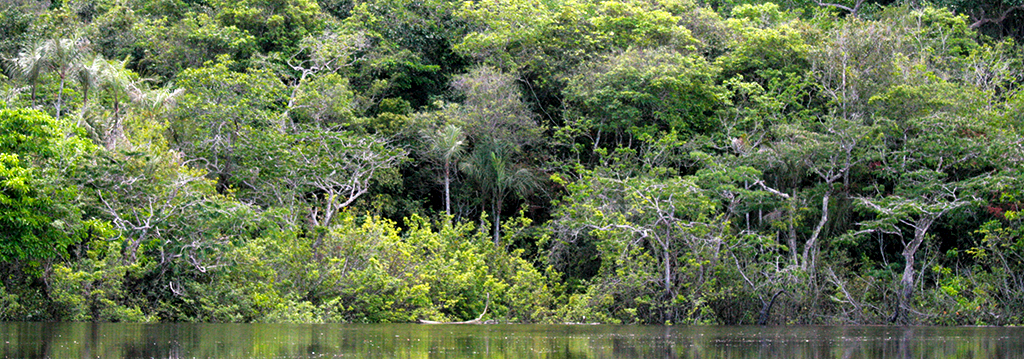
    Two hours south of Georgetown, Guyana, a paved highway recedes, giving way to a rutted red road gushing through thick rainforest. In its muddiest spots, the road swallows trucks and spits them out at dangerous angles. Many hours later, it leads to an area of protected land called Iwokrama, a Rhode Island-size forest in the heart of Guyana, crowded with ancient buttress-trunked trees draped in liana vines.

    [media-credit name=”Hannah Hoag” align=”alignleft” width=”300″]red-mud-guyana[/media-credit]Since 2003, Jake Bicknell has been a fixture within this forest. Now a doctoral student in biodiversity management at the U.K.’s University of Kent, he is cataloging Iwokrama’s iconic and bizarre species, including jaguars, giant anteaters, anacondas, and scads of birds and bats. (Guyana boasts more than 700 bird and 120 bat species.)

    Specifically, he’s in Iwokrama to find out how logging affects tropical forest wildlife. Conventional logging ruins forests and decimates species, but low-impact methods of harvesting timber might not be so damaging. In fact, Bicknell believes selective logging can become a tool for protecting the forests and biodiversity of Guyana — a developing country eager to tap its natural resources as a way to boost its economy.

    “There will always be a market for products extracted from forests, so the point is to do it in the least impacting way,” says Bicknell.

    Keep reading this story in the November 2013 issue of Discover

  • A universal problem

    A universal problem

    Recent headlines have promised that a ‘universal flu vaccine’ may be within reach, pointing to antibodies that offer broad protection in animal studies. But the scientists behind this effort had to first overcome great skepticism from their peers—as well as an imperfect laboratory test. Hannah Hoag reports on one virologist’s 20-year effort to challenge the tenets of the field.

    Influenza is the Lady Gaga of viruses: it reinvents itself each year, often in unexpected ways. But the flu virus is far more dangerous than an infectious tune. Although the flu usually manifests as a mild illness, the virus kills as many as 500,000 people worldwide each year, and it continues to provide a challenge from a vaccination standpoint. Whereas most vaccines for illnesses such as measles or polio offer years or decades of protection, influenza vaccines tend to work for only one season. The relentless refashioning means new influenza vaccines must be routinely reformulated, all at a cost to consumers and global health systems of more than $4 billion each year.

    A new type of vaccine could be on the way. In the past few years, a flurry of papers has provided firm evidence of antibodies capable of neutralizing multiple subtypes of the influenza virus. Immunologists say that isolating such antibodies is the first step toward the creation of a universal influenza vaccine that protects against seasonal flu year after year—and possibly prevents hundreds of millions of deaths when the next influenza pandemic sweeps across the globe. Several such universal flu vaccines are already in early human clinical testing. But convincing the biology community of the existence and potential of such antibodies was an uphill battle, and one complicated by a ‘gold standard’ test that masked the key findings.

    Yoshinobu Okuno, who has chased the dream of a universal antibody against flu since 1989, knows these challenges well. Okuno, a virologist at Osaka University in Japan, is now viewed by many experts in the field as an important and early champion of the idea. Yet his discovery two decades ago of a broad-acting antibody called C179 didn’t make waves at the time. “People didn’t pay attention to it,” says Ian Wilson, a structural biologist at the Scripps Research Institute in La Jolla, California. “In those days, most people weren’t thinking about broadly neutralizing antibodies that you could develop for flu.”

    The very test that prompted Okuno to look for these special antibodies—a tool known as the hemagglutination inhibition assay—tripped up the efforts of others in the field. In hindsight, the fault in the assay provides a cautionary tale of how the shortcomings of a test can mean that biomedical researchers miss what they are not looking for.

    Continue reading this story at Nature Medicine.