Category: medicine

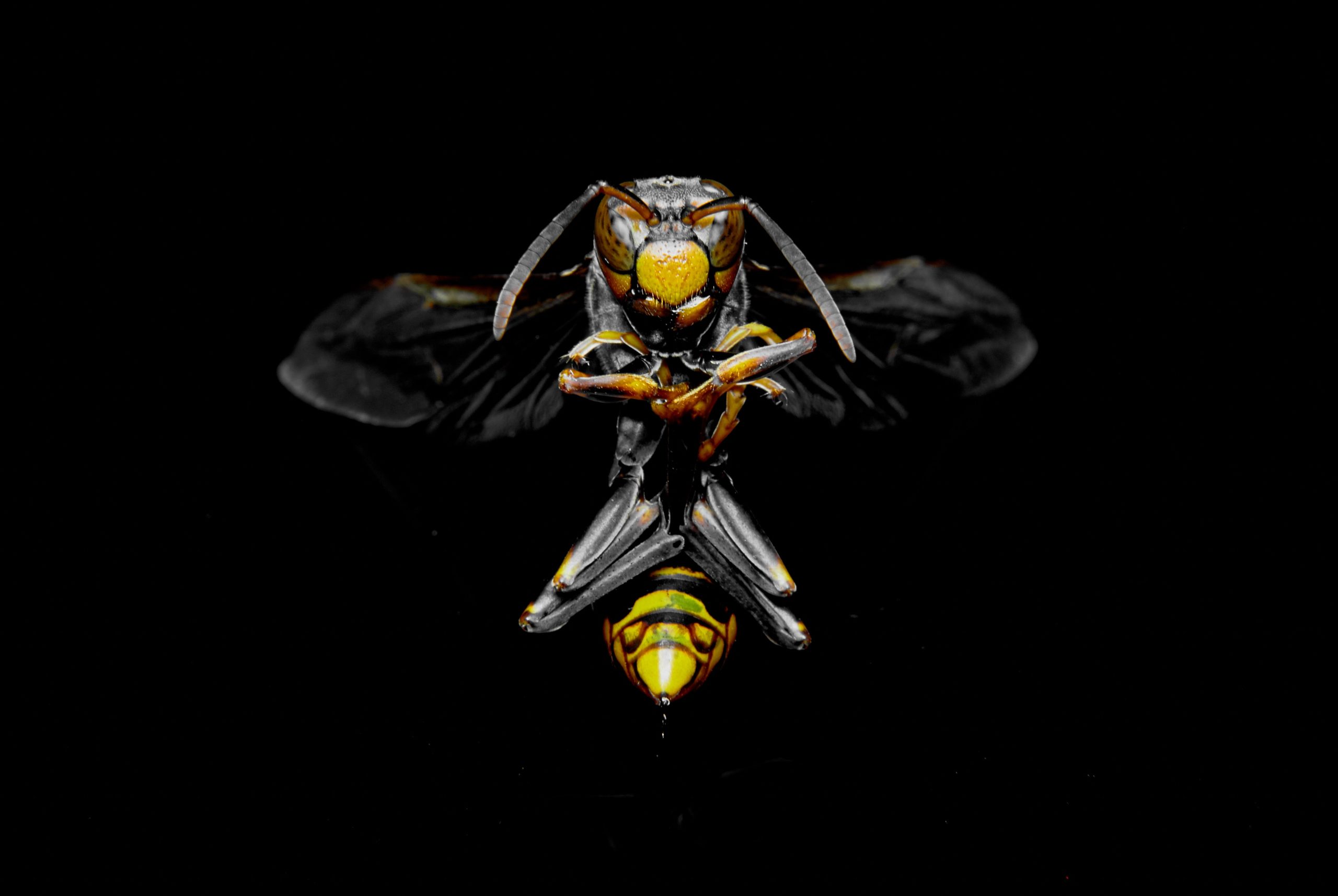
  • Wasp Venom Can Save Lives. But the Supply Chain Is Shaky.

    Wasp Venom Can Save Lives. But the Supply Chain Is Shaky.

    Venom is crucial to make medicines for those with severe allergic reactions to wasp, hornet, and yellow jacket stings.

    UNDARK

    One morning in the fall of 2019, Zach Techner stepped into a heavily woven white beekeeper’s suit, pulled on rubber boots and thick orange gloves, and wrapped duct tape around his cuffs and along the zipper. He slid safety glasses over his eyes and a netted hood over his head and zipped it shut. He was preparing to collect one of the most dangerous wild creatures in the United States: yellow jackets.

    Techner carried a portable vacuum he had MacGyvered into a wasp-sucking machine to a low thicket of blackberry brambles. A dozen of the flying insects made large descending loops towards their nest in the ground. Over the next 45 minutes, he siphoned the yellow jackets — uninjured but surely a little upset — into a plastic juice jug. He stored the trapped insects beneath a layer of dry ice in a cooler to kill them quickly — and avoid damaging the proteins in their venom.

    Wasp collecting isn’t always so uneventful, Techner warned. Yellow jackets can attack — especially in the fall when colonies swell and food is scarce — with sharp stings or by contracting their abdomens to spray their venom in their assailant’s eyes. “When you’re in the middle of a nest and there are thousands of them attacking you, hitting the veil, the venom can still get into your eyes,” he said. “It hurts really bad. It can be blinding.”

    … read more

  • Bird origin for 1918 flu pandemic

    Bird origin for 1918 flu pandemic

    Nature

    Model also links avian influenza strains to deadly horse flu.

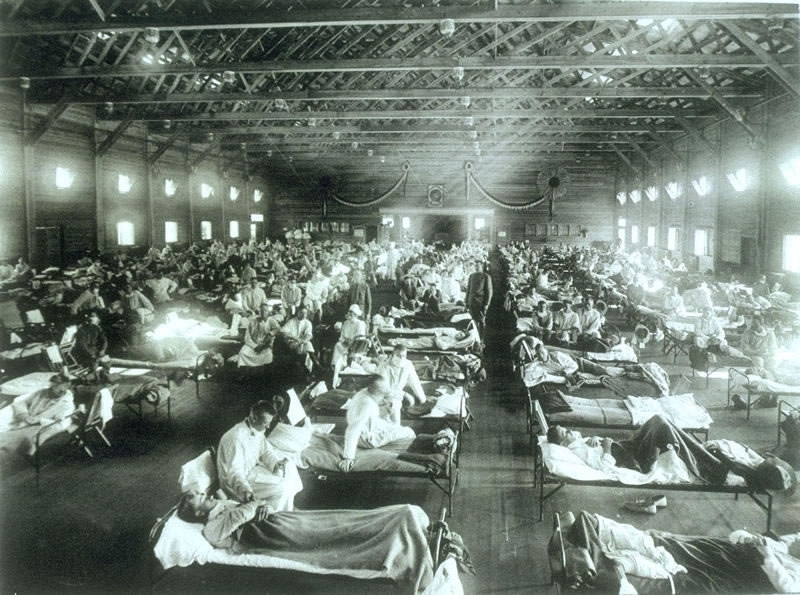
    The virus that caused the 1918 influenza pandemic probably sprang from North American domestic and wild birds, not from the mixing of human and swine viruses. A study published today in Nature reconstructs the origins of influenza A virus and (more…)

  • A brief history of what made biomedical news this year

    A brief history of what made biomedical news this year

    Nature Medicine

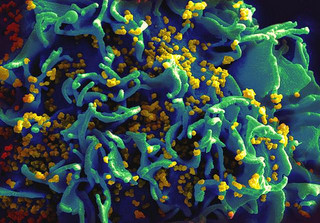
    Biomedical research in 2013 saw some dramatic developments, with unprecedented government action in the US ranging from the budget sequester in the spring to a dramatic government shutdown in autumn. But throughout the year, bright spots in science around the globe continued to dazzle, including multimillion-dollar partnerships to advance drug discovery and the go-ahead for highly anticipated trials of regenerative medicine.

    Read the rest of the story in the December issue of Nature Medicine. (Subscription required)

    Image Credit NIAID CC by 2.0. 

  • As millions gather for Kumbh Mela, doctors are watching

    As millions gather for Kumbh Mela, doctors are watching

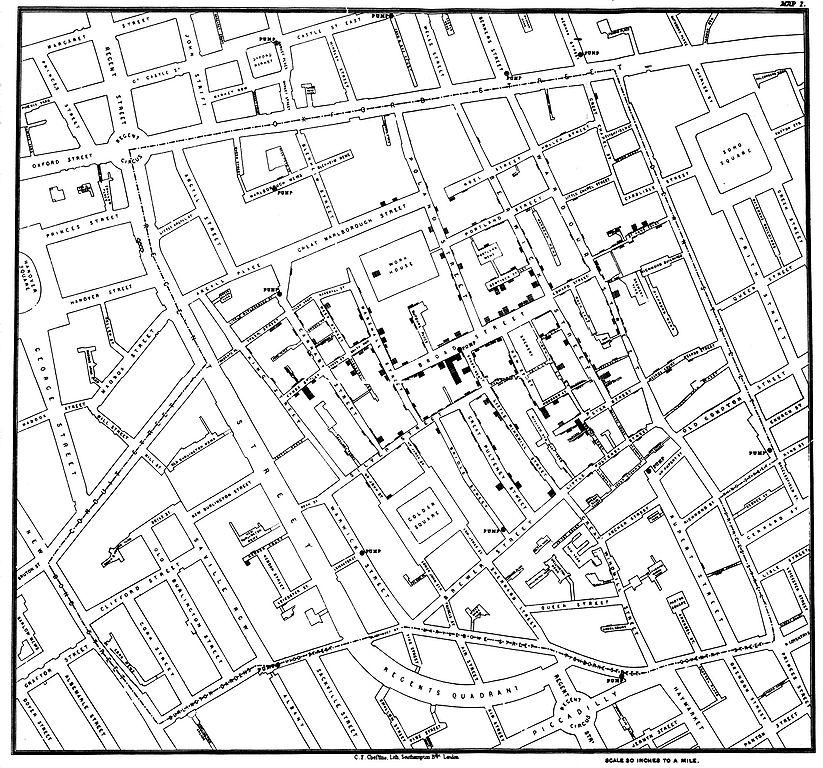
    When a cholera outbreak gripped a London neighbourhood in 1854, physician John Snow carefully mapped its deaths. The thin bars he traced under each address clustered around a water pump on Broad Street, which turned out to be the source of the bacteria. Snow’s studies of disease patterns won him recognition as the father of modern epidemiology—and crushed the prevailing theory that cholera was spread by bad air.

    Faced with the same challenge today, Snow might use a tablet computer. In mid-January, as the Indian city of Allahabad began ushering in millions of Hindu pilgrims for the religious festival Kumbh Mela, emergency physician and epidemiologist Gregg Greenough settled into a temporary field hospital with his tablet computer. He and his team from the Harvard School of Public Health were on the lookout for signs of influenza, tuberculosis, cholera and other diarrheal diseases. The plan is to record the temporary residence of each pilgrim admitted to hospital and plot it on a digital map that geolocates the festival’s toilets and drinking water. “We’re helping them digitize the data and analyze it in real time,” says Greenough. “It should help keep the pulse of the community and see if anything is emerging so they can act on it quickly.”

    CONTINUE…

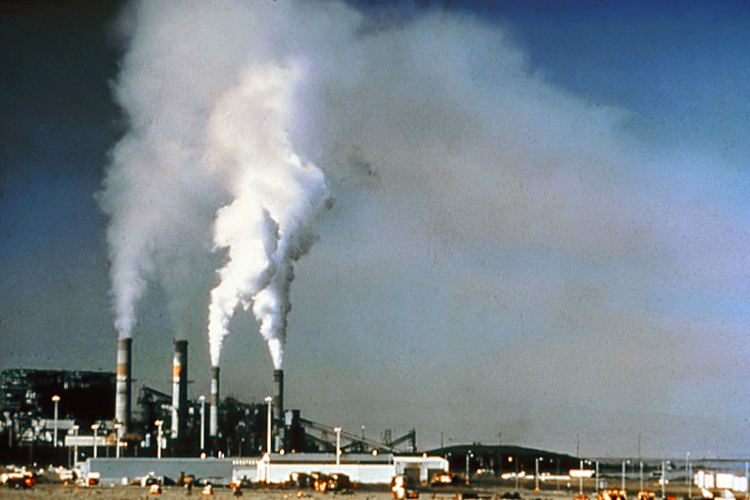
  • Air pollution delivers smaller babies

    Air pollution delivers smaller babies

    Study of 3 million infants suggests connection between inhaled particles and birth weight.

    Pregnant women who have been exposed to higher levels of some types of air pollution are slightly more likely to give birth to underweight babies, a large international study has found. The results are published online today inEnvironmental Health Perspectives1.

    Low birth weight — defined as a newborn baby weighing less than 2.5 kilogrammes — increases the risk of infant mortality and childhood diseases, and has been associated with developmental and health problems later in life, including diabetes and cardiovascular disease.

    Previous studies have looked at whether exposure to tiny airborne particles during pregnancy leads to more low-birth-weight babies. Although many studies have found links, others have failed to establish a connection.

    “The thorn in the side of many studies of air-pollution exposure and impact on fetal growth has been the variability in study design and in exposure assessment,” says Leonardo Trasande, a children’s environmental-health researcher at New York University in New York city. “This one does a tremendous service by making them very comparable.”

    Read more.