Category: news

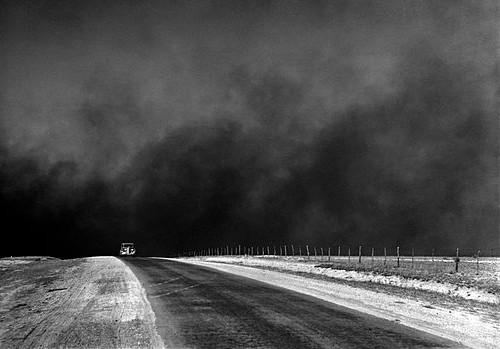
  • Dust Bowl Unrivaled

    Dust Bowl Unrivaled

    Nature

    Atmospheric conditions and human actions combined to drive the 1930s megadrought

    Farms failed and livestock starved in the central United States during the Dust Bowl drought of the 1930s. The event was not just the region’s worst dry spell in modern memory — it was the worst in North America over the past millennium, researchers report in Geophysical Research Letters.

    (more…)

  • Bird origin for 1918 flu pandemic

    Bird origin for 1918 flu pandemic

    Nature

    Model also links avian influenza strains to deadly horse flu.

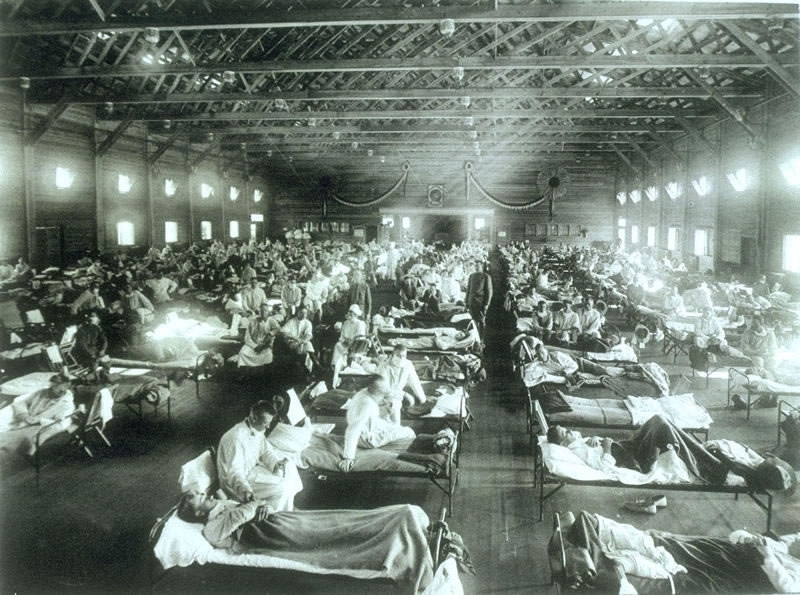
    The virus that caused the 1918 influenza pandemic probably sprang from North American domestic and wild birds, not from the mixing of human and swine viruses. A study published today in Nature reconstructs the origins of influenza A virus and (more…)

  • Caribou genetics reveal shadow of climate change

    Caribou genetics reveal shadow of climate change

    Nature

    Ancient ice ages that shaped modern caribou populations may foretell animals’ fate in a warmer world.

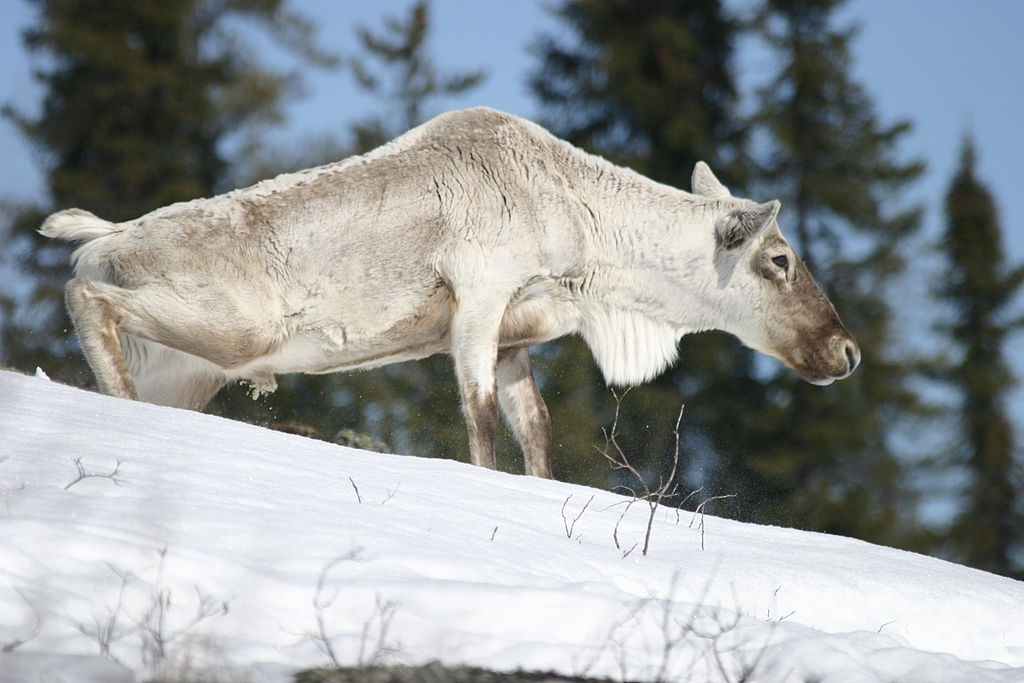
    When ice sheets marched across North America 20,000 years ago during the Last Glacial Maximum, they devoured liveable areas for caribou and isolated them from their Eurasian relatives for thousands of years.

    Now researchers have evidence that such climatic events have sculpted the genetics of North American caribou, which may make the animals unable to adapt to future climate change.

    “Although the past is not a guarantee for the future, it makes me pessimistic about the future of the species,” says Glenn Yannic, a population geneticist at Laval University in Quebec City, Canada, and lead author of a study published today in Nature Climate Change1.

    Major caribou herds around the globe are in decline. Scientists have blamed this on natural resource development and new roads that encroach on caribou habitat, and on changes in climate that put migrating caribou out of sync with spring plant growth, leaving them hungry. Most studies that forecast climate impacts on species look at ecosystems, individual species or populations, but not genetic factors on a global scale, says Yannic.

    Keep reading this story at Nature.

  • A brief history of what made biomedical news this year

    A brief history of what made biomedical news this year

    Nature Medicine

    Biomedical research in 2013 saw some dramatic developments, with unprecedented government action in the US ranging from the budget sequester in the spring to a dramatic government shutdown in autumn. But throughout the year, bright spots in science around the globe continued to dazzle, including multimillion-dollar partnerships to advance drug discovery and the go-ahead for highly anticipated trials of regenerative medicine.

    Read the rest of the story in the December issue of Nature Medicine. (Subscription required)

    Image Credit NIAID CC by 2.0. 

  • Lyme bacteria show that evolvability is evolvable

    Lyme bacteria show that evolvability is evolvable

    Nature

    Natural selection favours those with a greater capacity to generate genetic variation.

    Some gamblers succeed by spiriting cards up their sleeves, giving them a wider range of hands to play. So do some bacteria, whose great capacity for genetic variability helps them evolve and adapt to rapidly changing environments.

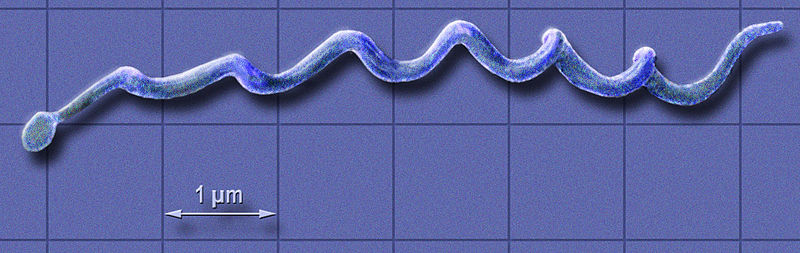
    Now research on Borrelia burgdorferi, the bacterium that causes Lyme disease, shows that the capacity to evolve can itself be the target of natural selection. The results were published today in PLoS Pathogens1.

    “There are other data that suggest that there could be selection on evolvability, but this is the first example where there really aren’t any other confounding answers for the data,” says lead author Dustin Brisson, an evolutionary biologist at the University of Pennsylvania in Philadelphia.

    B. burgfdorferi can cause a chronic infection even if its animal host mounts a strong immune response — evading those defences by  tweaking the shape and expression of its main surface antigen, VIsE. A series of unexpressed genetic sequences organized into ‘cassettes’ recombine with the VIsE gene, changing the resulting protein such that it escapes detection by the host’s immune system.

    “They make a clever case that the variation in these cassettes tells you something about evolvability and the results back up the idea,” says Tim Cooper, an evolutionary biologist at the University of Houston in Texas.

    Continue reading the story in Nature.

    Image by Lamiot via Wikimedia Commons.