Category: news

  • Air pollution delivers smaller babies

    Air pollution delivers smaller babies

    Study of 3 million infants suggests connection between inhaled particles and birth weight.

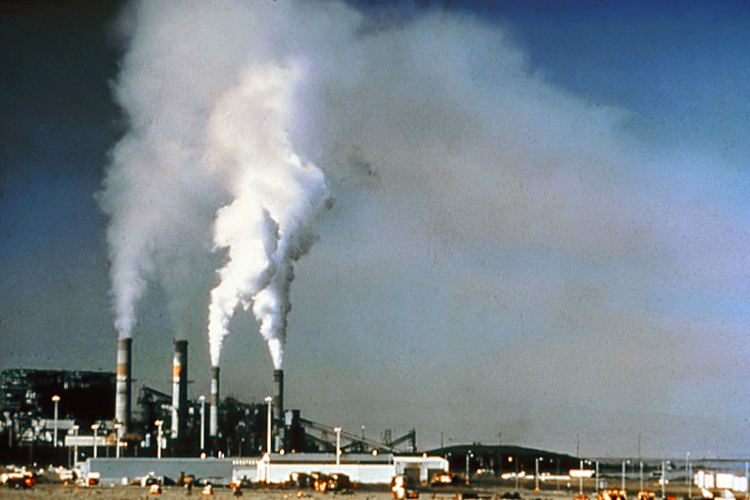
    Pregnant women who have been exposed to higher levels of some types of air pollution are slightly more likely to give birth to underweight babies, a large international study has found. The results are published online today inEnvironmental Health Perspectives1.

    Low birth weight — defined as a newborn baby weighing less than 2.5 kilogrammes — increases the risk of infant mortality and childhood diseases, and has been associated with developmental and health problems later in life, including diabetes and cardiovascular disease.

    Previous studies have looked at whether exposure to tiny airborne particles during pregnancy leads to more low-birth-weight babies. Although many studies have found links, others have failed to establish a connection.

    “The thorn in the side of many studies of air-pollution exposure and impact on fetal growth has been the variability in study design and in exposure assessment,” says Leonardo Trasande, a children’s environmental-health researcher at New York University in New York city. “This one does a tremendous service by making them very comparable.”

    Read more.

  • These Young Leaders Are Influencing the Future of the North

    These Young Leaders Are Influencing the Future of the North

    Arctic Deeply

    These are the people who stand apart when it comes to improving education, fighting climate change, boosting international collaboration and revitalizing Indigenous culture in the Arctic. (more…)

  • Arctic snow cover shows sharp decline

    Arctic snow cover shows sharp decline

    Earlier spring could spell trouble for permafrost

    Arctic snow is fading fast. June snow cover in the Northern Hemisphere has dropped by almost 18% per decade during the past 30 years, according to a study published in Geophysical Research Letters1.

    The drop in snow extent will lower the amount of sunlight reflected away from the planet — a process that has a cooling effect — by exposing darker and less reflective soil, shrubs and trees, which absorb solar radiation and re-emit the heat into the atmosphere. The change also stands to warm the permafrost, alter the timing of spring runoff into rivers and lead to earlier plant growth in spring.

    “It was a bigger number than we initially thought we might have seen, but when you look at the changes in Arctic sea ice, we would expect a similarly large number,” says Chris Derksen, a cryosphere scientist at Environment Canada in Toronto and a co-author on the paper. The swift pace of the snowmelt between 1979 and 2011 exceeds the rate of decline in Arctic sea ice, which clocked in at just under 11% per decade over the same period. September 2012 saw the lowest extent of sea ice in the satellite record — and when this year’s data were included in calculations, they revealed a 13% per decade decline in sea ice and a 21.5% per decade drop in snow cover.

    :: Get the full story at the Nature News website

  • Test lakes face closure

    Test lakes face closure

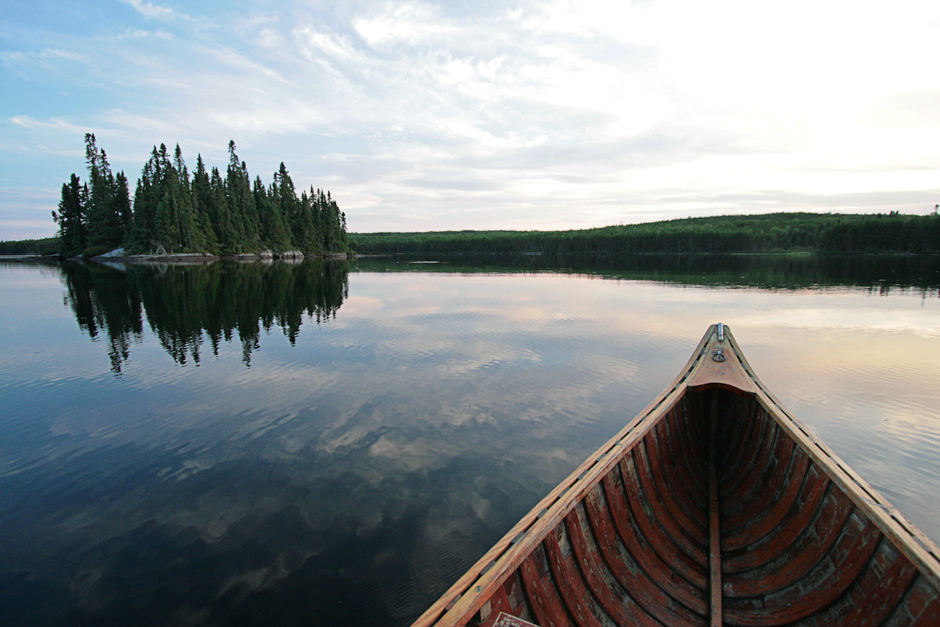
    Lake 239 looks inviting. Pines and spruce fringe the shoreline and waves lap against outcrops of weathered granite. But on this hot August afternoon in northwestern Ontario (see ‘Water works’), one feature stands out. At the far end of the 800-metre-long lake, a series of plastic-walled columns descend from a floating dock to the muddy bottom about 2 metres down. They are the sign that the lake’s placid setting disguises an experiment in controlled environmental abuse.

    Jennifer Vincent, a graduate student at Trent University in Peterborough, Ontario, kneels by one of the columns and empties a vial of silver nanoparticles into it. An iridescent purple cloud blooms in the water for a moment before the metal particles are mixed and disperse. These experiments are the first stage of a three-year, Can$720,000 (US$728,000) project to understand the biological effects of ‘nanosilver’ — an antibacterial agent commonly added to commercial products — and its possible effect on the environment. Previous work has shown that the chemical alters bacterial-community structure, affects algae and may change phosphorus cycling. Next year, the project intends to add nanosilver to an entire lake (Lake 222) and measure its effects across the ecosystem.

    With 58 such lakes serving as sites for a broad range of studies, the Experimental Lakes Area (ELA) is unique in the world. “I don’t take it lightly that you’re basically poisoning a lake,” says Chris Metcalfe, an environmental toxicologist from Trent University, and a leader on the project. But at the ELA, he adds, “you can graphically demonstrate what goes on in a whole lake ecosystem.”

    Yet the ELA project, with its laboratory buildings, residences and workshops, may soon disappear. Earlier this year, Canada announced that it would cease funding the ELA after March 2013, a development that dismayed scientists who have made use of the 44-year-old facility for investigations ranging from chemical contamination to the effects of climate change.

    The decision was unexpected. On 17 May, ELA employees at the Freshwater Institute in Winnipeg, were called to an emergency meeting, where they were told that the government was no longer interested in experiments requiring whole-lake manipulation. The 17 ELA staff at the institute, including four scientists, who are employed by the Department of Fisheries and Oceans (DFO), were told that their positions will be axed as of April 2013. (more…)

    Related stories

    More related stories

    Nature 488, 437–438

    Published 21 August 2012

  • Accord could make Canadian generics industry a ‘rust bucket’

    Accord could make Canadian generics industry a ‘rust bucket’

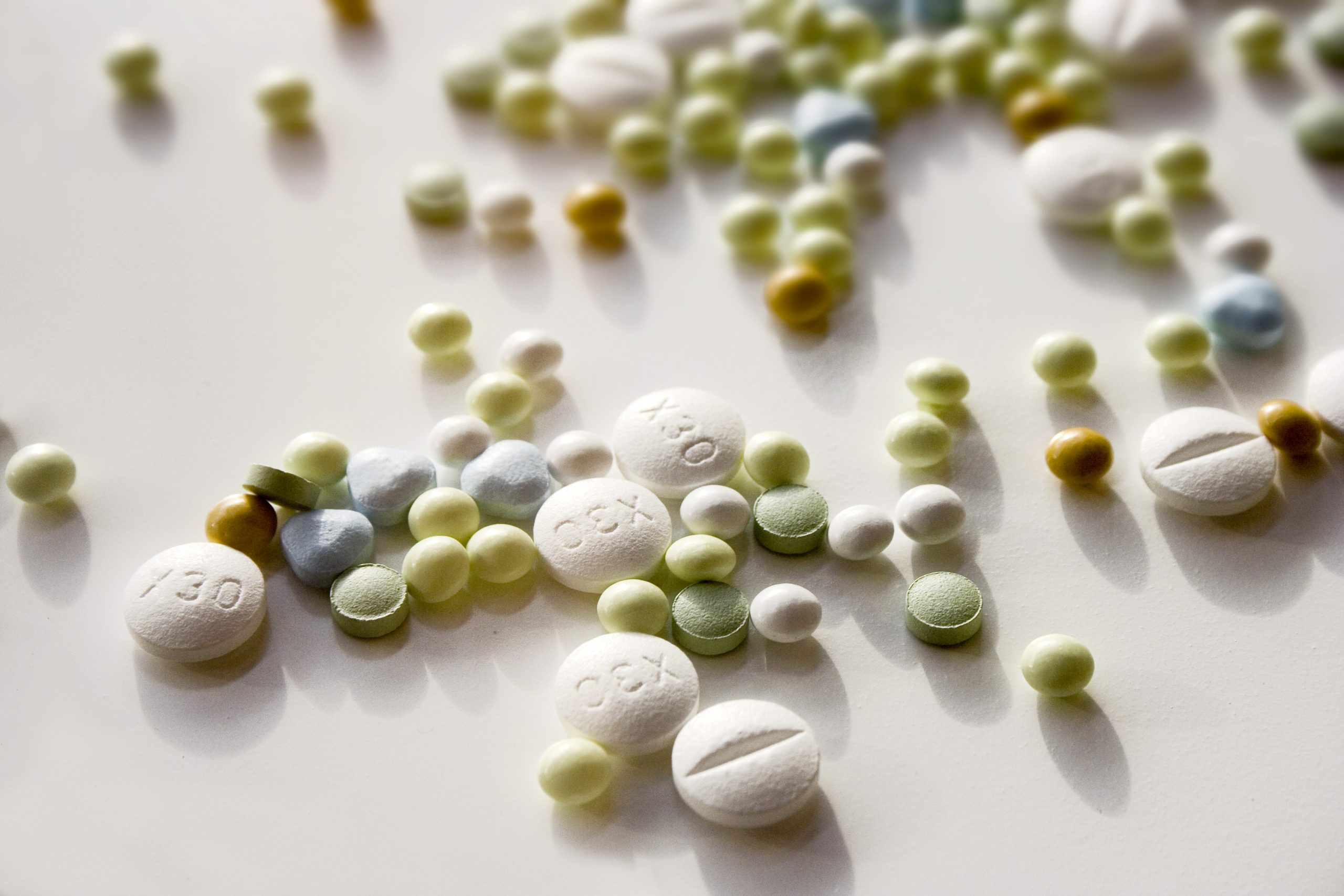
    A trade agreement in negotiations between Canada and the EU is drawing the ire of generic drugmakers, provincial governments and patient advocates over proposals to extend drug patents by several years in Canada, a move that critics say would delay the arrival of generic medicines to market in that country and inflate healthcare costs.

    According to Canada’s Department of Foreign Affairs and International Trade, Canada imports C$8.4 billion ($8.2 billion) of pharmaceutical products from the EU annually, making Canada the fifth largest export market for the continent’s drugmakers. The sweeping Comprehensive Economic and Trade Agreement (CETA) could add another $2.8 billion to the annual bill, according to a report by health economists Paul Grootendorst, from the University of Toronto, and Aidan Hollis, from the University of Calgary (J. Generic Med. 8, 81–103, 2011). This cost is largely shouldered by the provincial and territorial governments, which pay for healthcare.CETA—first proposed in 2009 and subsequently leaked in 2010—calls on Canada to beef up its intellectual property rights for pharmaceuticals. The proposed changes would add five years to patents for drugs that are unduly bogged down in the regulatory approval process, lengthen the period of time clinical trial data is kept off-limits for use by generics companies from eight years to ten years (or even longer in the case of pediatric drugs) and grant brand-name companies an appeal process to challenge generics companies on their patent compliance. (more…)

    Nature Medicine 18, 991 (2012)

    Published online 06 July 2012