Category: science

  • Nations put science before fishing in the Arctic

    Nations put science before fishing in the Arctic

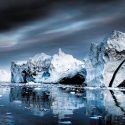
    Nine nations and the European Union have reached a deal to place the central Arctic Ocean (CAO) off-limits to commercial fishers for at least the next 16 years. The pact, announced yesterday, will give scientists time to understand the region’s marine ecology—and the potential impacts of climate change—before fishing becomes widespread.

    “There is no other high seas area where we’ve decided to do the science first,” says Scott Highleyman, vice president of conservation policy and programs at the Ocean Conservancy in Washington, D.C., who also served on the U.S. delegation to the negotiations. “It’s a great example of putting the precautionary principle into action.”

    The deal to protect 2.8 million square kilometers of international waters in the Arctic was reached after six meetings spread over 2 years. It includes not just nations with coastal claims in the Arctic, but nations such as China, Japan, and South Korea with fishing fleets interested in operating in the region.

    Thus far, thick ice and uncertain fish stocks have kept commercial fishing vessels out of the CAO, but the region is becoming increasingly accessible because of rapid loss of summer sea ice. In recent summers, as much as 40% of the CAO has been open water, mostly north of Alaska and Russia, over the Chukchi Plateau.

    As the summer sea ice becomes thinner and its edge retreats northward, more sunlight is penetrating the water, increasing production of plankton, the base of the Arctic food web. These sun-fed plankton are gobbled up by Arctic cod, which in turn are hunted by animals higher up the food chain, including seals, polar bears, and humans. Some parts of the Arctic Ocean’s adjacent seas, such as the Barents Sea (off the northern coasts of Russia and Norway), saw steep increases in primary production in 2016, approaching 35% above the 2003–15 average.

    .::. Keep reading this story in Science.

  • Europe’s triumphs and troubles are written in Swiss ice

    Europe’s triumphs and troubles are written in Swiss ice

    Pollen frozen in ice in the Alps traces Europe’s calamities, since the time Macbeth ruled Scotland

    NEW YORK TIMES

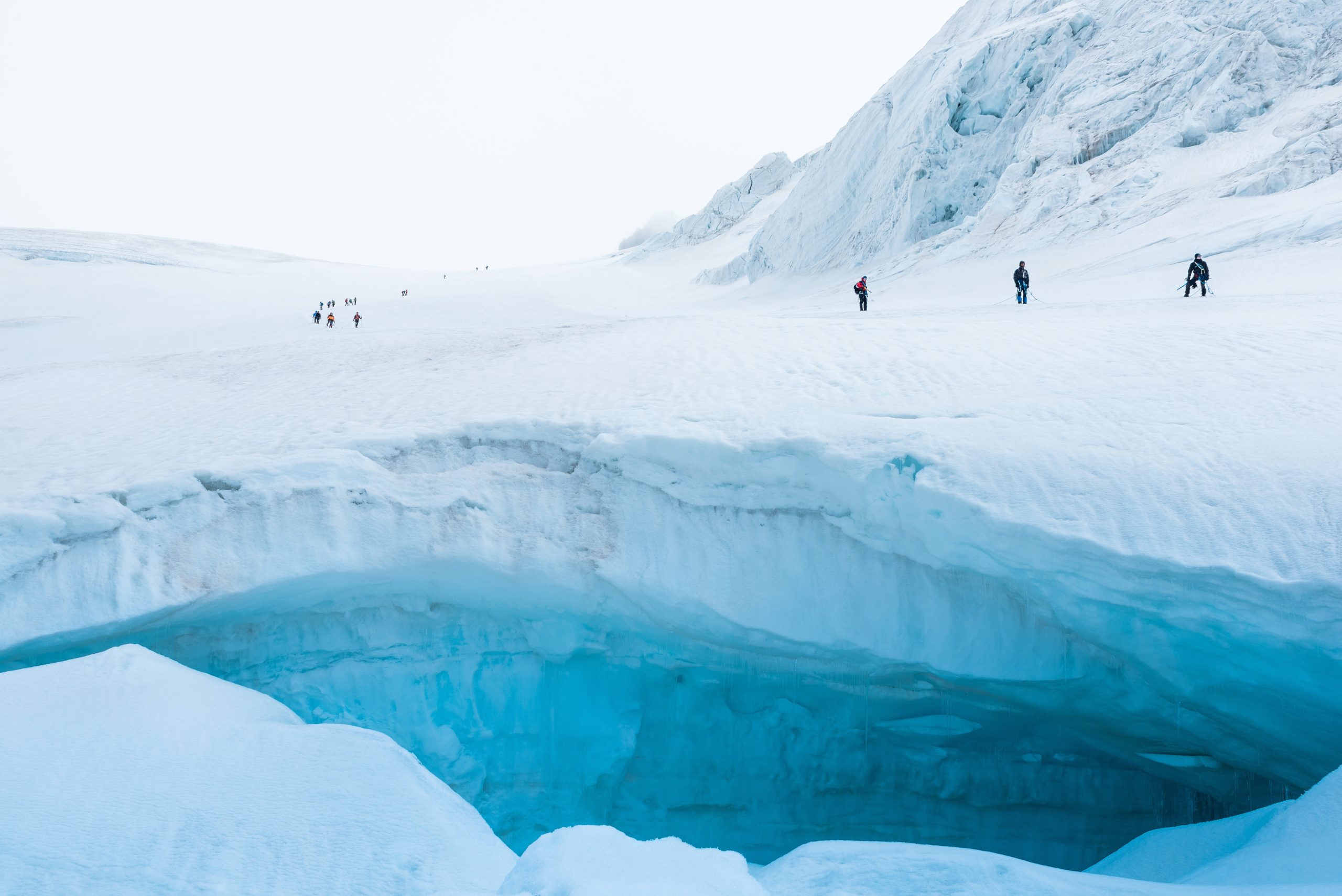
    As plague swept through Europe in the mid-1300s, wiping out more than a third of the region’s population, a glacier in the Alps was recording the upheaval of medieval society. While tens of millions of people were dying, pollen from the plants, trees and crops growing in Western Europe were being swept up by the winds and carried toward the Alps.

    They became trapped in snowflakes and fell onto the region’s highest mountain, the Monte Rosa massif. Over time, the snow flattened into ever-growing layers of ice, storing a blow-by-blow record of regional environmental change.

    Centuries later, the crop pollens trapped in the ice reveal the collapse of agriculture associated with the pandemic, as bad weather led to poor harvests and fields lay fallow because there was no one left to work them.

    For more than 50 years, scientists have drilled ice cores in the Arctic and Antarctica to reconstruct uninterrupted records of climate change over hundreds of thousands of years. But these glaciers can be difficult to get to and they are far from where most people on Earth live.

    Mid- to low-latitude glaciers, on the other hand, tend to be more accessible and lie at the heart of thousands of years of human activity. The Colle Gnifetti glacier, sitting near the Swiss-Italian border, and with a central location on the continent, has put it on a crash course with Europe’s dust for roughly 10,000 years.

    Sandra Brügger, a climate scientist at the Institute of Plant Sciences and the Oeschger Centre for Climate Change Research at the University of Bern, developed a technique to study the pollen, fungal spores, charcoal and soot locked in an ice core drilled from this Swiss glacier. She is aiming to disentangle the ways extreme weather, innovation, crop failures and pollution have shaped Europe since 1050, when Macbeth ruled Scotland.

    … read more

  • Global warming is threatening Alaska’s prized wedding flower

    Global warming is threatening Alaska’s prized wedding flower

    THE ATLANTIC

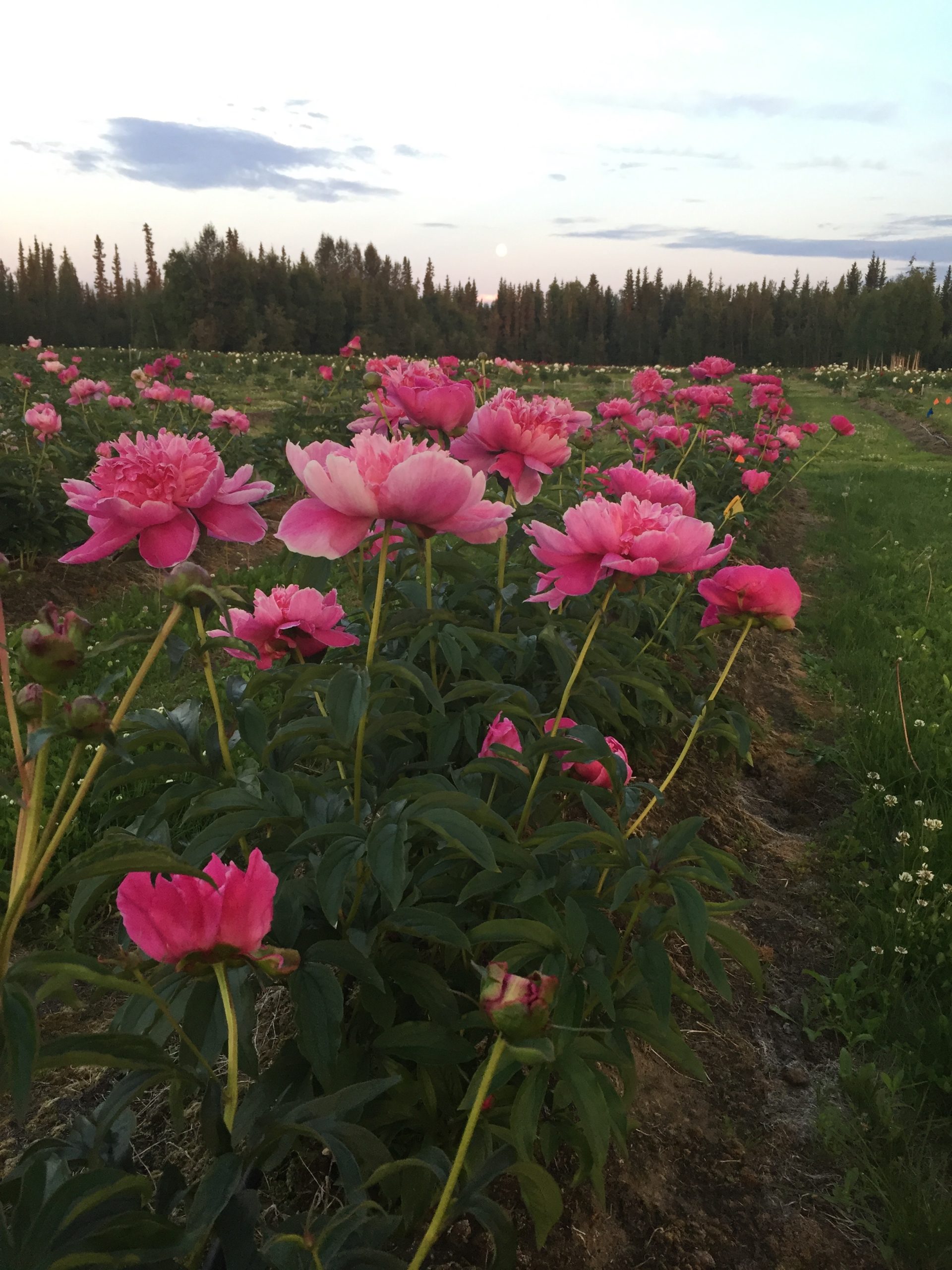
    A little more than a decade ago, Ron Illingworth and his wife, Marji, planted 25 peony roots on their family farm in North Pole, Alaska. They did it on a whim, really, curious whether the bright, ruffled blossoms would thrive alongside the runner beans, peas, and tomatoes they sold at the local farmers market. A horticulture-professor friend of theirs had planted some test plots on the grounds of the University of Alaska Fairbanks, and she was looking for some more data on their hardiness in subarctic conditions. Could peonies become a commercially viable export crop?

    The next year, Ron and Marji had 50 roots. A year later, 100. Now, the couple has 15,000 roots in ground, with the goal of reaching 18,000. Their company, North Pole Peonies, will ship close to 30,000 stems to the continental United States this year for hotel floral displays and showy wedding bouquets. “We started with just a few back here, and now everything you see is peonies,” says Marji.

    Alaska is home to 200 commercial peony farmers, clustered in the three hot spots around its center and south-central coast. The state isn’t known for its agricultural exports, but peonies have quickly become a cash crop for its entrepreneurial farmers. Last year, these growers shipped more than 200,000 stems to local, state, and international markets, including Taiwan, Canada, and Korea. Ron Illingworth, who is also president of the Alaska Peony Growers Association, expects it will be closer to 1 million by 2020.

    But as average temperatures in Alaska increase due to greenhouse-gas emissions, the state’s peony farmers are left wondering if their new enterprise may be nipped in the bud. Peonies are grown around the world in a variety of climates, but they’re typically available only for a short time, from late spring to early summer. That gives Alaskan growers a competitive advantage: While peony farms in Chile, the Netherlands, and Canada have generally peaked by May and June, Alaska’s late summers and midnight sun means near-Arctic farmers have peonies available in July and August. This advantage could disappear, however, if climate change shifts the Alaska season so that it overlaps with growers in the other parts of the world.

    “The biggest thing that we’re worried about right now is what’s happening with global warming,” says Illingworth.

    Read more at The Atlantic.

  • Using technology to find hidden graves

    Using technology to find hidden graves

    DISCOVER

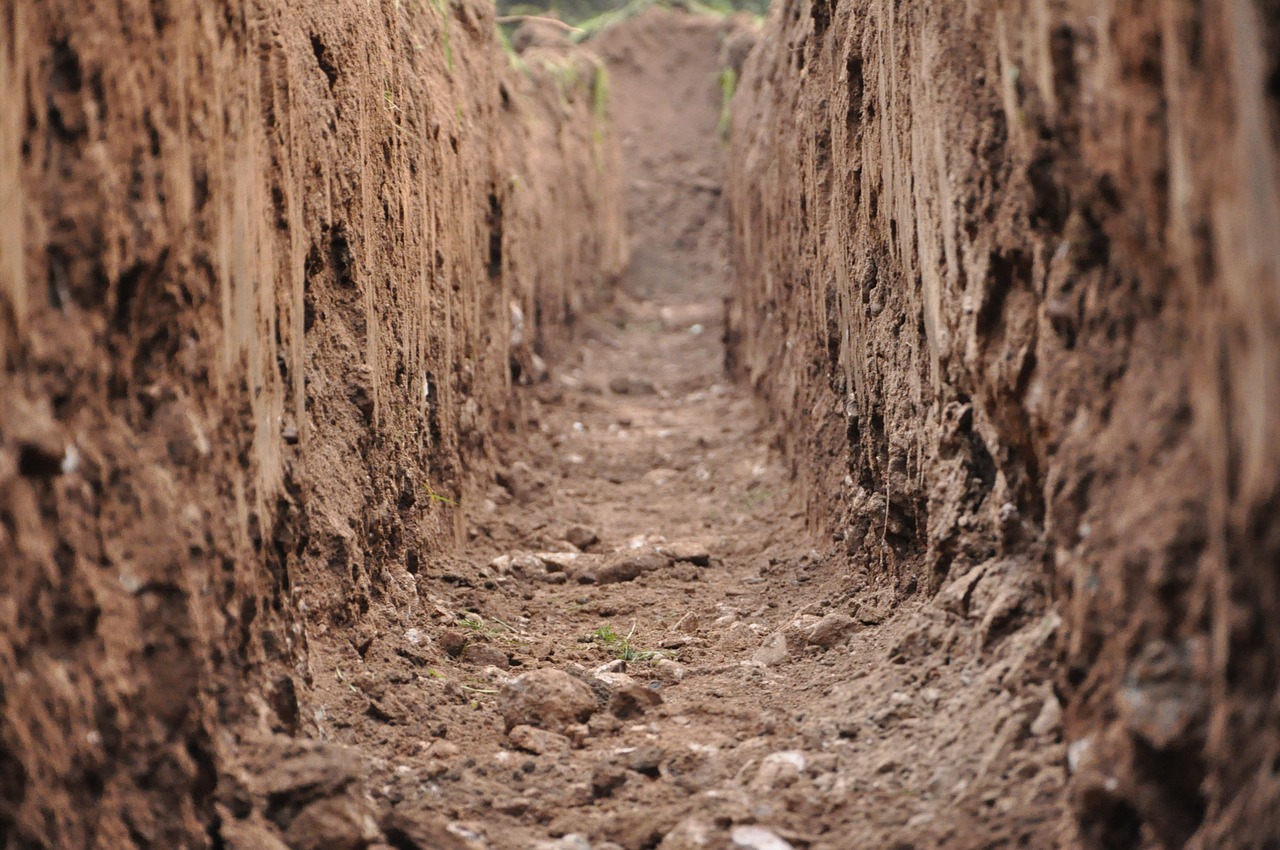
    One morning in July 2005, Amy Mundorff rode into the Bosnian countryside, tagging along with a team from the International Commission on Missing Persons. The roads wound past forests, farmland and villages. The group stopped near a filed in a hilly area on the outskirts of a village to meet an informant. From the gestures and the translator’s comments, Mundorff understood that the ground beneath the field might hold bodies.

    The war in Bosnia-Herzegovina had ended 10 years earlier, but thousands of people remained missing, many presumed buried in hidden graves scattered across the country. Mundorff, a forensic anthropologist wanted to learn how the team excavated and exhumed graves, and then sorted and identified the co-mingled human remains–her area of expertise.

    Backhoes scraped away the topsoil, peeling back the earth inches at a time. “they just dug and dug and dug,” recalls Mundorff. Once in a while, the machinery operators would stop and call over an investigator. “It was never anything human. There were roots, animal bones, rocks…but there were no graves,” says Mundorff. By the end of the day, the entire hillside had been dug up, and the team found nothing.

    Witness and survivor testimonies remain the most reliable way to locate hidden graves, but the approach is not foolproof. Many of the conflicts under investigation occurred years ago. Elderly witnesses may have fading memories that offer incomplete or incorrect accounts of atrocities. Sometimes the geography of a place changes. Roads get rerouted, forest are cleared, and the edges of villages expand.

    Mundorff knew from her own searches for buried murder victims in the United States that investigators often fail to locate hidden graves, but she didn’t expect it to be so difficult in Bosnia-Herzegovina: The country is smaller than Louisiana, and the whereabouts of 8,000 people remain unknown.

    “Even if we didn’t find that one grave, I thought we would find something because…where are they?” says Mundorff. She was disappointed and frustrated. “I thought, ‘God, there has to be something better out there.’”

    Keep reading this story in Discover.

  • Being Prepared

    Being Prepared

    Nature

    When a key member of a team is lost, the work does not have to come to an end.

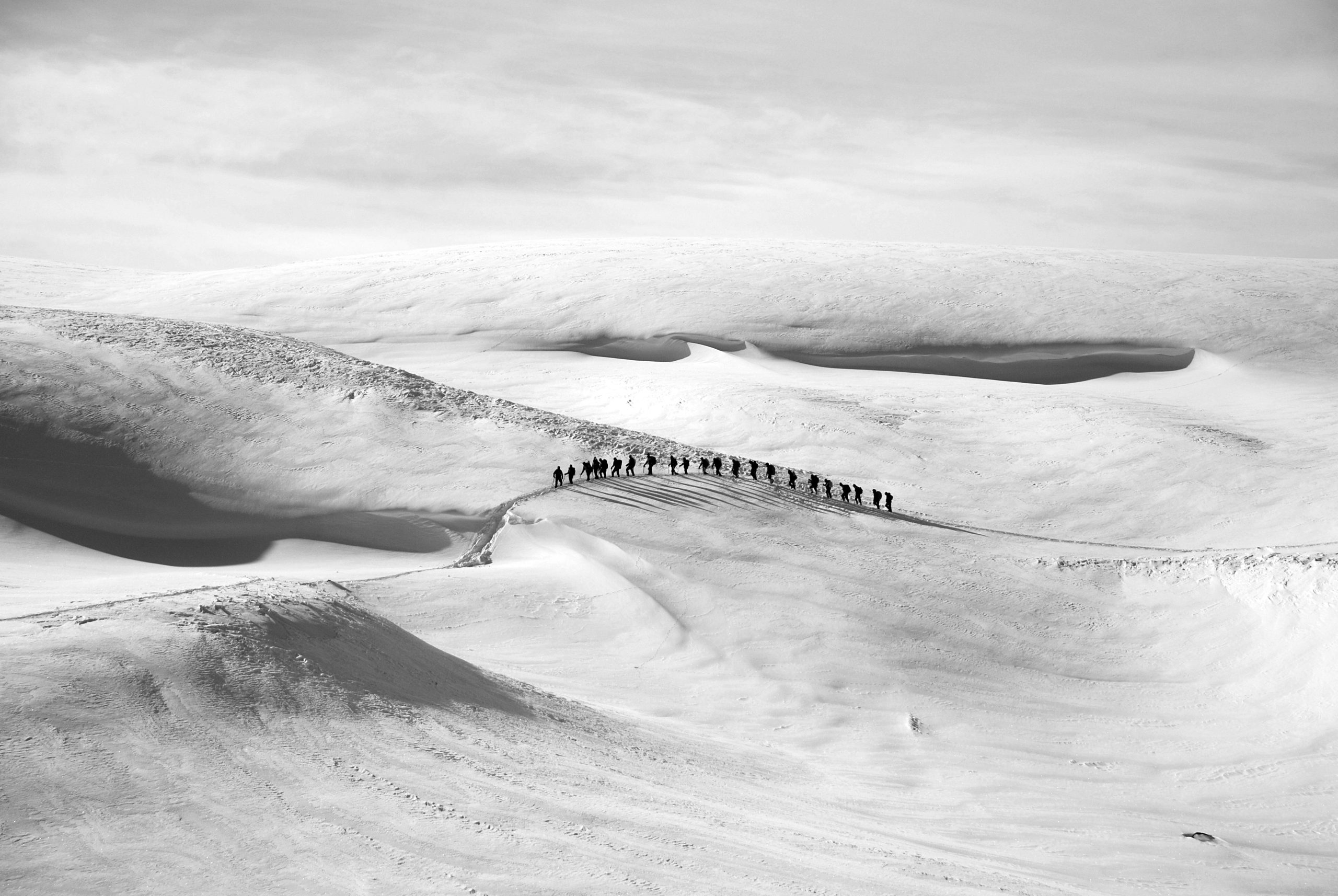
    When Michael Pisaric was two years into his PhD, he travelled to Watson Lake in Canada with his supervisor, Julian Szeicz, and graduate student Tammy Karst-Riddoch, to collect sediment from several lakes in Yukon and in northern British Columbia. Szeicz was a geographer at Queen’s University in Kingston, Canada, who worked on reconstructing ancient climates. The trio hoped that the samples would reveal how climate had influenced tree-line dynamics in the region over the past 10,000 years.

    As they trudged through the snow and negotiated a series of switchbacks, a snow avalanche roared down the hill and covered them. When it cleared, Pisaric was buried up to his shoulders and there was no sign of Szeicz. Karst-Riddoch dug Pisaric out and they ran down the hillside to call the Royal Canadian Mounted Police, who recovered Szeicz’s body later that day. (more…)