Category: science

  • Free Radicals Radio: Bring on the bugs!

    Babes in the woods

    Get outside

    Can a walk in the woods really change us? Scientists are beginning to think so. There’s evidence to suggest that being in a busy city environment can reduce the brain’s capacity to remember things and lower self-control. Kids are driven to school and back, and off to soccer practice, and then when they get home, they turn on the computer or TV and settle down to an evening of screen-tertainment. The growing children and nature movement suggests children’s problems with obesity, attention span and lack of understanding of the environment are connected to less outdoor play and exposure to nature. Do you have nature-deficit disorder?

    Listen to the show: Babes in the woods (Download full episode, October 9) or listen to it from the CKUT archive.

    Find out more

    Children and Nature Network
    Environment Canada’s Biokits
    Child & Nature Alliance

    Red Fox Remix

    Here’s a treat: Growing up in Toronto in the 1970s, I was exposed to Hinterland Who’s Who–one-minute wildlife video segments about muskox, moose and the mighty beaver. (See the Red Fox below.) Now the Canadian Wildlife Service and the Canadian Wildlife Federation have opened the nostalgia gates for parents across Canada and giving kids the chance to remix their own Hinterland Who’s Who. It’s brilliant. Make your own HWW remix with your favourite Canadian critter. Don’t forget to upload it to the HWW YouTube channel.

    HWW video Copyright CWS, CWF (2005) Please direct any questions about the video to info@hww.ca.

  • Canada picks site for Arctic Research Station

    Canada picks site for Arctic Research Station

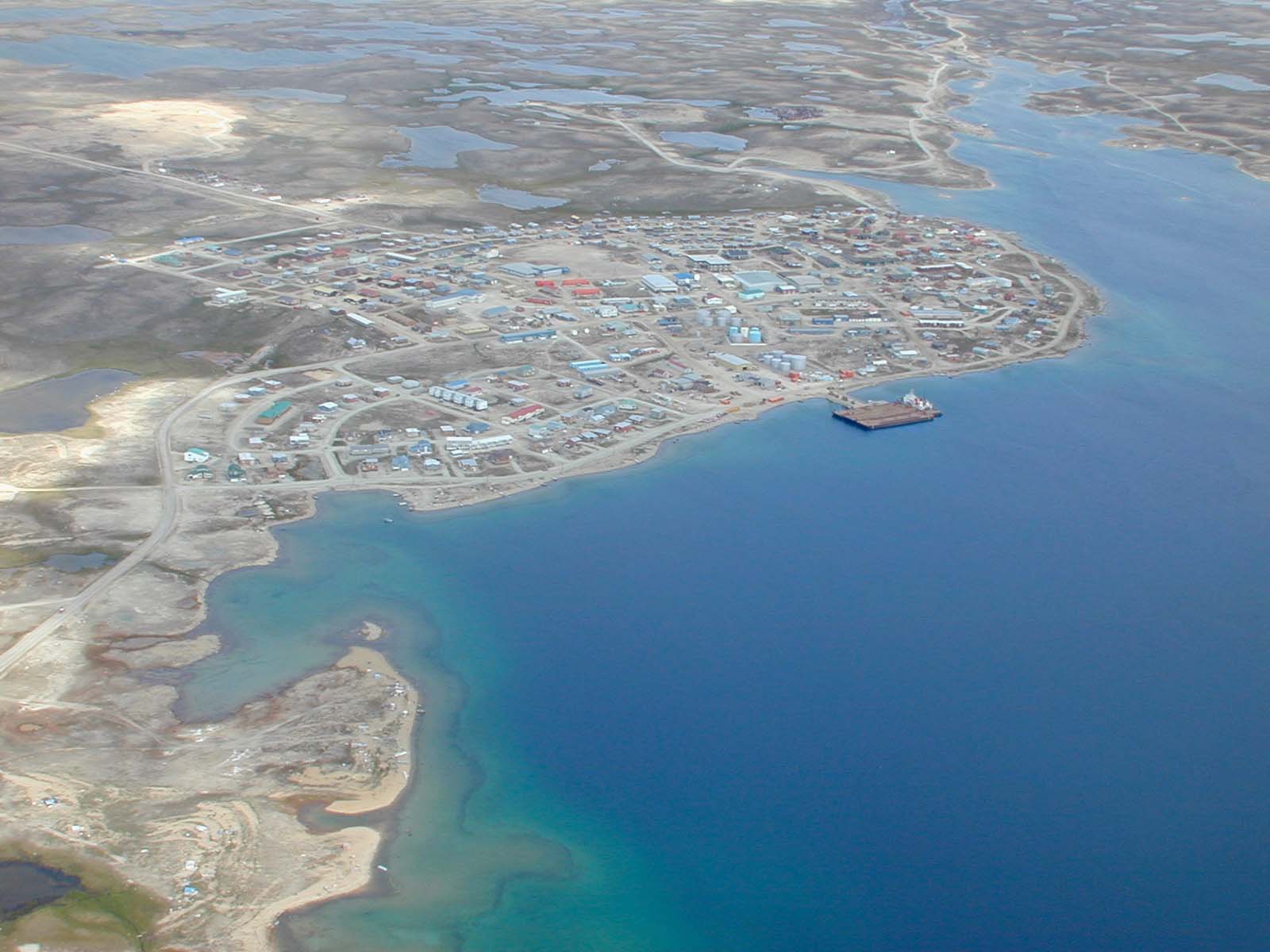
    Cambridge Bay location offers a wealth of opportunities for studying the far north.

    After months of deliberation, the Canadian government has chosen Cambridge Bay — a hamlet midway along the Northwest Passage in the country’s far north — as the site for a world-class Arctic research station.

    Once built, the station will house scientists all year round, giving them a modern space to study Arctic issues, including climate change and natural resources. It will host conference facilities and laboratories for research on marine biology and geophysics, provide ecologists with the space to do long-term ecological monitoring in aquaria and greenhouses, and give researchers in the health and social sciences a base for their studies.

    “It’s a very exciting and long-awaited announcement,” says Warwick Vincent, director of the Centre for Northern Studies at Laval University in Quebec City, who was part of the committee consulted by the government during the selection process.

    The proposal for the Canadian research station was first sketched out in 2007 and a shortlist of sites was released in 2009. A Can$2-million (US$1.9-million) feasibility study for the proposed station established its functions, preliminary costs and construction schedule and involved an analysis of three possible locations: Pond Inlet, Resolute Bay and Cambridge Bay, all in the northern territory of Nunavut.

    Details about the new facility’s size or overall cost have yet to be released by the government, but sources suggest that it will be completed some time in 2017 at a cost of about Can$200 million.

    → Read more at the Nature website

    → Also found in WorldChanging’s Arctic Round-up (September 3)

  • Muslim students weigh in on evolution

    In Indonesia and Pakistan, questions about how science and faith can be reconciled.

    In the first large study of its kind, a survey of 3,800 high-school students in Indonesia and Pakistan has found that teachers are delivering conflicting messages about evolution.

    The Can$250,000 Islam and Evolution research project is the first large study of students, teachers and scientists in countries with significant Muslim populations to examine their understanding and acceptance of evolution. Some results from the three-year project were presented at a symposium at McGill University in Montreal, Canada, this week.

    “We now have empirical data for how Muslim students, teachers and scientists think about the subject,” says Brian Alters, the study’s lead investigator and director of the Evolution Education Research Center, a joint project between McGill and Harvard universities. “It was pretty much a black hole prior to this.”

    :: Read more at Nature ::

  • Canadian science minister under fire

    Comments on evolution spark fierce criticism.

    It’s been a rough month for Canada’s minister of science and technology. Gary Goodyear, who was appointed to the new position in October 2008, has been roundly criticized in the media for an outburst during a meeting with a university teachers’ group and for his comments on evolution.

    Some Canadian researchers say the criticism is unreasonable, but others say it suggests that Goodyear, a chiropractor by training, is not in tune with the community whose portfolio he oversees.

    :: Keep reading in Nature ::