Tag: albedo

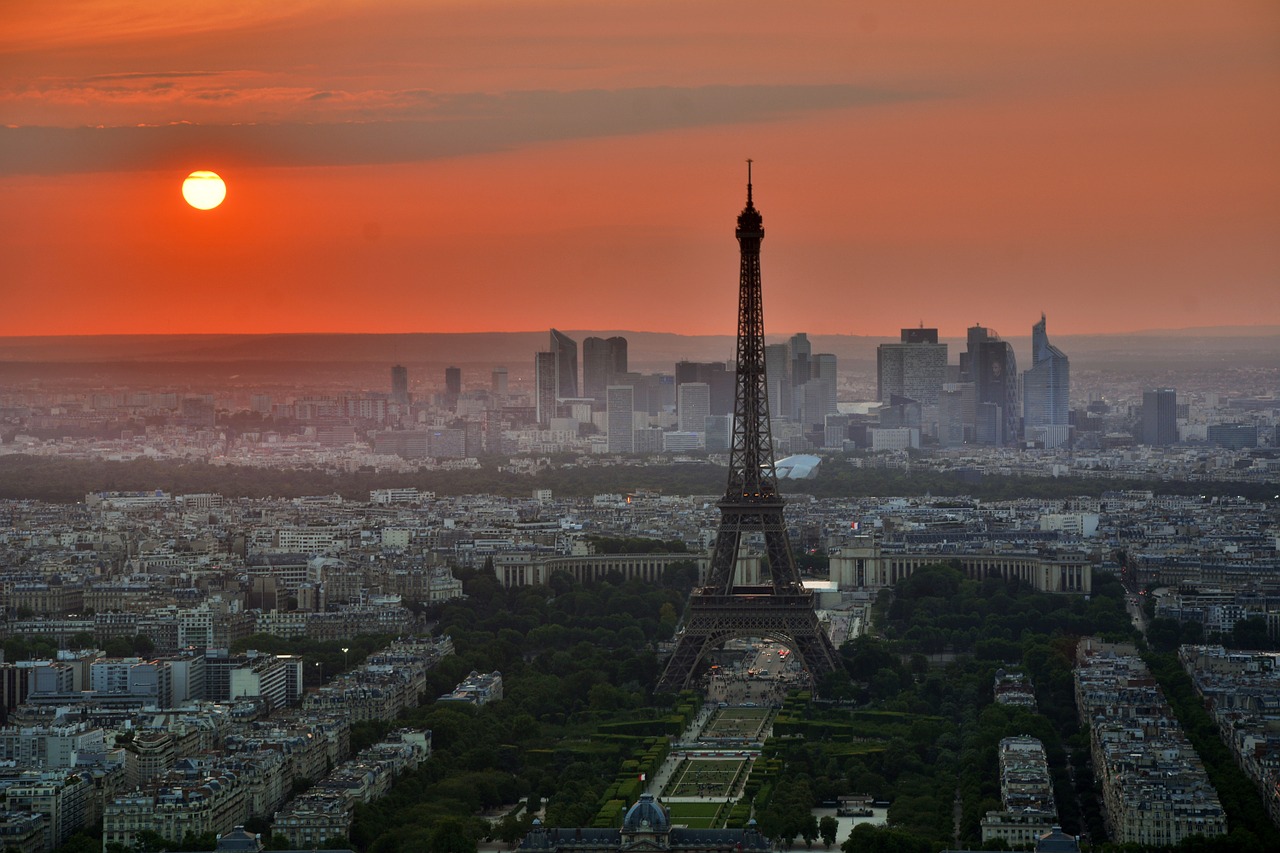
  • Cities Beat the Heat

    Cities Beat the Heat

    Nature

    Rising temperatures are threatening urban areas, but efforts to cool them may not work as planned.

    The greenhouses that sprawl across the coastline of southeastern Spain are so bright that they gleam in satellite photos. Since the 1970s, farmers have been expanding this patchwork of buildings in Almería province to grow produce such as tomatoes, peppers and watermelons for export. To keep the plants from overheating in the summer, they paint the roofs with white lime to reflect the sunlight.

    That does more than just cool the crops. Over the past 30 years, the surrounding region has warmed by 1 °C, but the average air temperature in the greenhouse area has dropped by 0.7 °C. It’s an effect that cities around the world would like to mimic. As Earth’s climate changes over the coming decades, global warming will hit metropolitan areas especially hard because their buildings and pavements readily absorb sunlight and raise local temperatures, a phenomenon known as the urban heat island effect. Cities, as a result, stand a greater chance of extreme hot spells that can kill. “Heat-related deaths in the United States outpace — over the last 30 years — all other types of mortality from extreme weather causes,” says Kim Knowlton, a health scientist at Columbia University in New York. “This is not an issue that is going away.”

    Some cities hope to stave off that sizzling future. Many are planting trees and building parks, but they have focused the most attention on rooftops — vast areas of unused space that absorb heat from the Sun. In 2009, Toronto, Canada, became the first city in North America to adopt a green-roof policy. It requires new buildings above a certain size to be topped with plants in the hope that they will retain storm water and keep temperatures down. Los Angeles, California, mandated in 2014 that new and renovated homes install ‘cool roofs’ made of light-coloured materials that reflect sunlight. A French law approved in March calls for the rooftops of new buildings in commercial zones to be partially covered in plants or solar panels.

    But the rush to act is speeding ahead of the science. Although cool roofs and green roofs can strongly curb temperatures at the tops of buildings, they do not always yield benefits at the street level, and they may trigger unwanted effects, such as reducing rainfall in some places. “There was a notion that the community had reached a conclusion and there was a one-size-fits-all solution,” says Matei Georgescu, a sustainability scientist at Arizona State University in Tempe. “But that is not the case.”

    Keep reading in Nature …

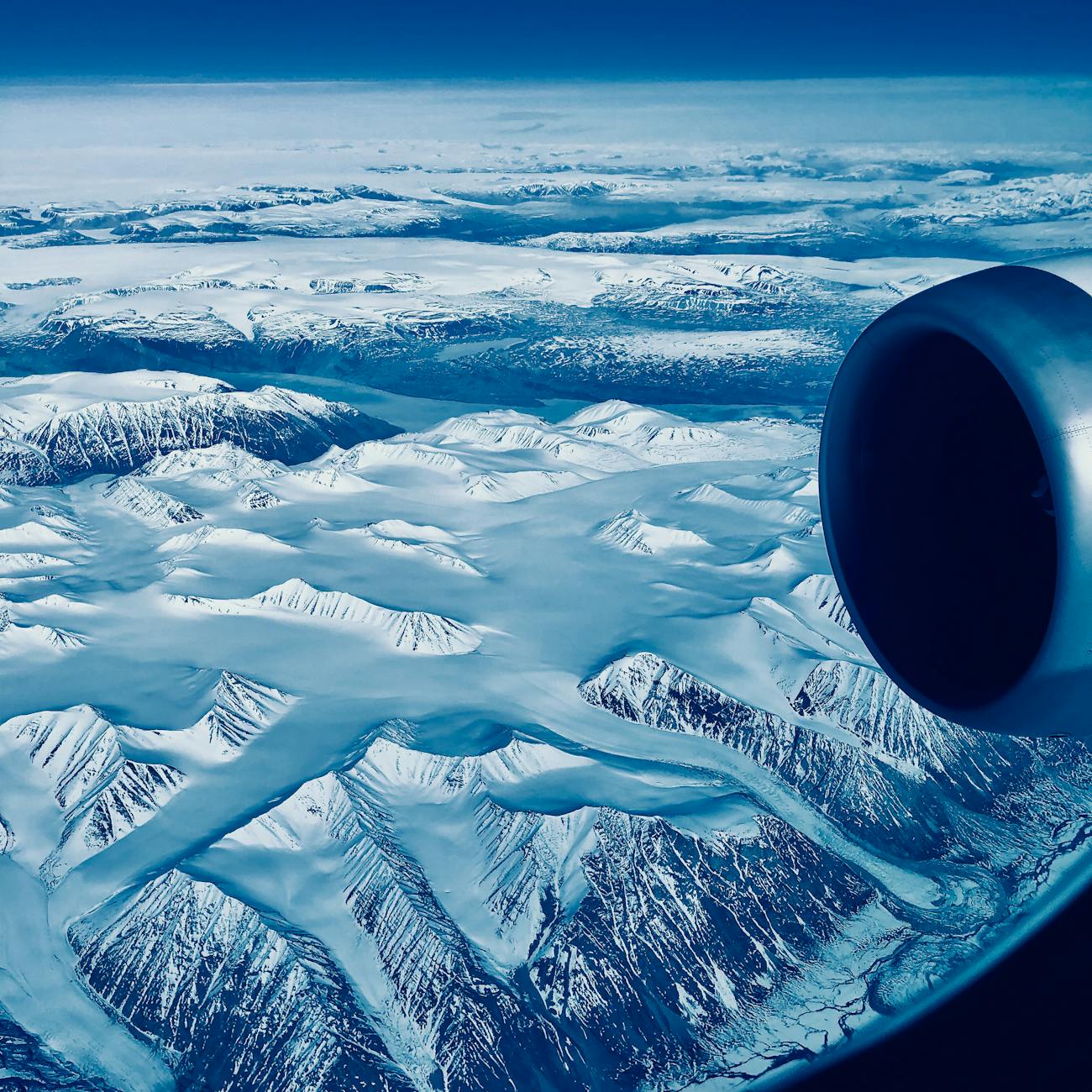
  • Greenland: A tale of fire and ice

    Greenland: A tale of fire and ice

    During the summer of 2012, fires exploded across the drought-stricken Colorado Front Range—a heavily populated area where the Great Plains meets the Rockies. One evening in early June, lightning struck a tree in the foothills west of Fort Collins. It ignited a fire that burned quietly for a few days and then rocketed downslope, fueled by a windstorm and bone-dry trees, dead from a mountain pine beetle infestation, and engulfed 30 square miles of forest in a single day.

    “This is the fire we always worried we might have,” Larimer County Sheriff Justin Smith had said at a news conference that night. The High Park fire grew to 136 square miles—four times the size of Manhattan. It was, at the time, the second-largest fire recorded in Colorado history.

    Jason Box, a glaciologist who grew up in Colorado, watched the disaster play out on television in the departure area at LaGuardia Airport in New York. “People were glued to the screens,” he says. Box, then a professor at the Ohio State University who now works for the Geological Survey of Denmark and Greenland, was waiting for a flight that would take him to Greenland for the 2012 field season to study the dynamics and melting of the Greenland ice sheet. He suddenly had a thought: Could soot from the wildfires melt Greenland’s ice sheet?

    Scientists have known for years that soot reduces the ability of snow and ice to reflect solar radiation back into space. They’ve found tiny black particles in the Arctic snow and ice that have come from the burning of fossil fuels, agricultural fields, trees, and grasslands thousands of miles away. Pure white snow is highly reflective—it has an albedo of 0.9, meaning it returns 90% of the solar energy that hits it. But snow that’s darker—say, if it is covered with soot—absorbs the sun’s energy, warming, melting and becoming even darker. It then absorbs more energy, launching a positive feedback cycle that causes local—and even regional—warming.

    If this cycle were to happen on a large scale in Greenland, it could spell trouble for the ice sheet, which holds 8% of the Earth’s freshwater and is suspended frozen atop the bedrock. If the ice sheet melted entirely, global sea levels would rise 23 feet. Yet even one foot—a plausible scenario that could play out within the next 35 years—would be enough to inundate millions of homes and send the cost of coastal damage from erosion, storm surges, and salt water encroachment soaring. Combined with the recent news that the West Antarctic ice sheet is already collapsing—which itself could release enough water to raise sea levels 13 feet—our descendants are likely looking at a very watery future.

    In Greenland that summer, Box tried to collect snow samples that would allow him to test his hypothesis, but launching a new project on the fly proved impossible. “I underestimated in the end how hard it would be to get those samples,” he says. “It was pretty discouraging.” But because any black carbon from the wildfires would get buried in subsequent snowfalls, he knew he had time. Or so he thought.

    .::. Keep reading this story at PBS’s NOVA Next.