Tag: carbon sink

  • Arctic Ocean full up with carbon dioxide

    Arctic Ocean full up with carbon dioxide

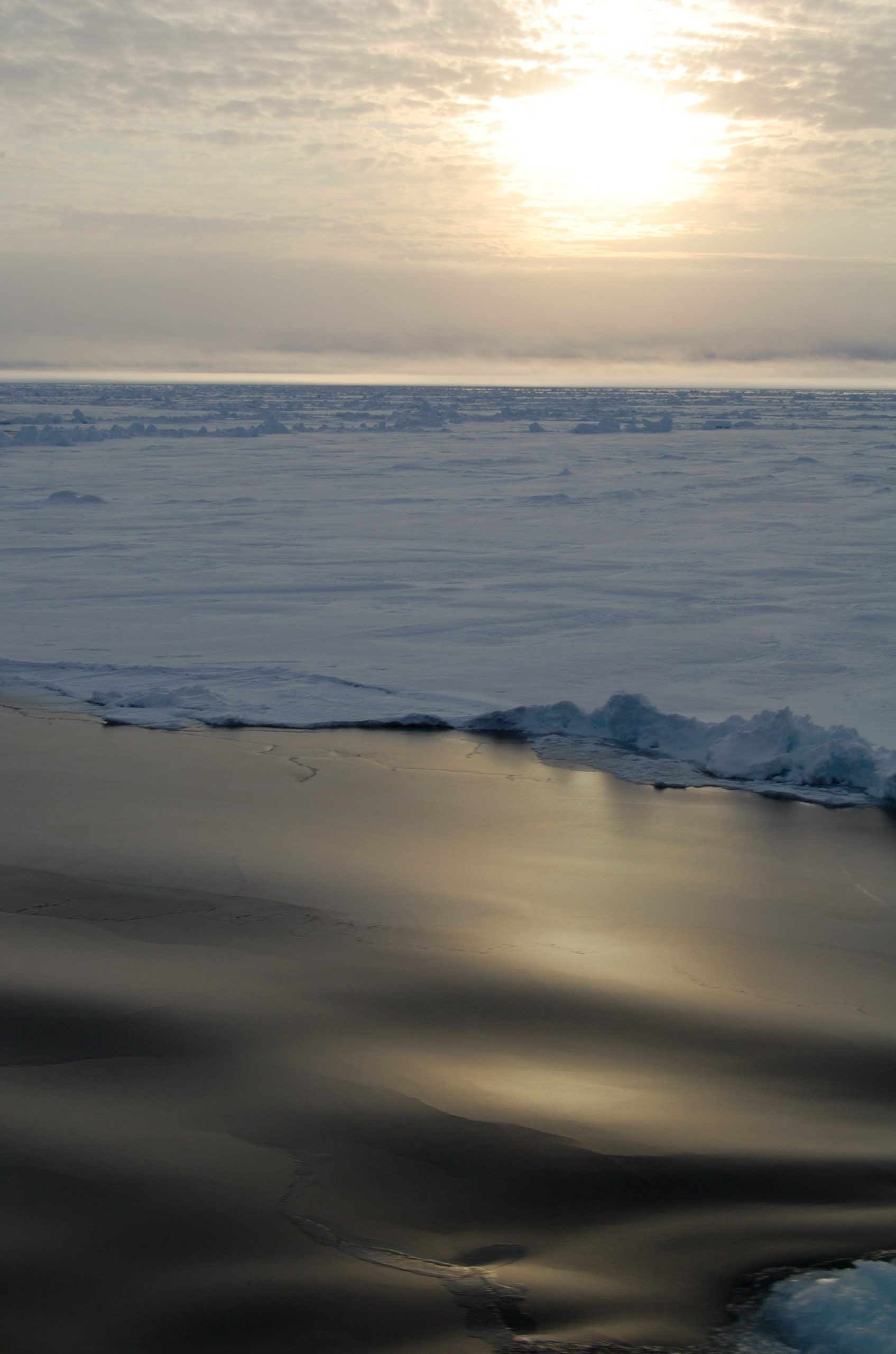
    Loss of sea ice is unlikely to enable Arctic waters to mop up more carbon dioxide from the air.

    As climate scientists watched the Arctic’s sea-ice cover shrink year after year, they thought there might be a silver lining: an ice-free Arctic Ocean could soak up large amounts of CO2 from the atmosphere, slowing down the accumulation of greenhouse gases and climate change.

    But research published in Science today suggests that part of the Arctic Ocean has already mopped up so much CO2 that it could have almost reached its limit1. Wei-Jun Cai, a biogeochemist at the University of Georgia in Athens and an international team sampled the amount of CO2 in the surface waters of the Canada Basin, in the western Arctic Ocean. “We found that ice-free basin areas had rather high CO2 values that approached atmospheric levels,” says Cai. “It was not expected.”

    Although the Arctic Ocean accounts for only 3% of the world’s ocean surface area and is mostly covered in ice, it takes up 5-14% of all the CO2 absorbed by the planet’s oceans. It tends to take in proportionately more CO2 because gases dissolve more easily in cold water.

    Scientists had previously thought that open water would promote the exchange of CO2 between the air and the ocean and that the increase in light reaching the water would also trigger the microscopic ocean plants called phytoplankton to transfer more CO2 from the atmosphere to the ocean through photosynthesis2.

    But that “prediction was based on observations of either highly productive ocean margins or ice-covered basins prior to a major ice retreat,” says Cai. Very few scientists had surveyed CO2 concentrations in offshore waters.

    → Read more at Nature

    Image courtesy of Pink floyd88 a, via Wikimedia Commons

  • Dying trees could exacerbate climate change

    Dying trees could exacerbate climate change

    forestForests could emit more carbon than they store if temperatures rise.

    Forestry experts have again warned that climate change could transform forests from sinks to sources of carbon. The carbon storing capacity of global forests could be lost entirely if the earth heats up 2.5° Celsius above pre-industrial levels, according to a new report.

    The analysis by the International Union of Forest Research Organizations (IUFRO) is a synthesis of existing information. “This is the first time it has been put together on a global scale,” says Alexander Buck, IUFRO deputy executive director, in Vienna. “It is the most thorough assessment of the negative and positive effects of climate change on the world’s forests.”

    :: Read more at Nature ::