Tag: ecology

  • Regime Change: Q&A with John Smol

    Nature

    A freshwater ecologist at Queen’s University in Kingston, Ontario, Canada, Smol studies lake sediments to understand climatic and environmental change. Nature Outlook asks him to share his experience.

    What can we learn from lake sediments?
    One of the biggest challenges in environmental science is the lack of long-term data, so we have to use indirect proxies. All over the planet, lakes act as passive samplers of the environment, recording information 24 hours a day. They contain biological, chemical and physical information. The deeper you go in the sediment, the older it gets. Typically, in North America you can go back 12,000 years to the last Ice Age. In ponds near the Arctic Ocean, it’s closer to 5,000 years, because before that those areas were below sea level. We focus on the changes that have occurred in the past few hundred years and compare them with the long-term record. So we can ask: is there anything peculiar going on now, or is this just part of a long-term cycle?

    What have these remote ponds told us about climate change?

    We chose shallow ponds because they would be the most sensitive. They’re the bellwethers. The palaeo-data show that some very striking ecological changes started happening since the 1800s. The most plausible interpretation is that it was climate change and that it was human related. This conclusion was very controversial when we published it in 1994 (ref.1).

    We started going to these ponds on Cape Herschel in far northern Canada in 1983. We were going up every two or three years, and we could see they were getting shallower. We thought they could eventually disappear, but none of us thought it could happen in our lifetime. By 2006, many of the ponds had gone dry. It was stunning. We wondered if it was a one-off event, but we checked the 2005 data from the probes that we had left in some of the ponds in 2004 and saw that they were dry even then. We could tell that the ponds were evaporating, not draining, because the water’s conductivity — which is proportional to the concentration of dissolved ions — had steadily been increasing. Nothing like this had ever happened before, although the drying trend has occurred since. We called it crossing the final ecological threshold.

    Keep reading this article in Nature

  • Canada picks site for Arctic Research Station

    Canada picks site for Arctic Research Station

    Cambridge Bay location offers a wealth of opportunities for studying the far north.

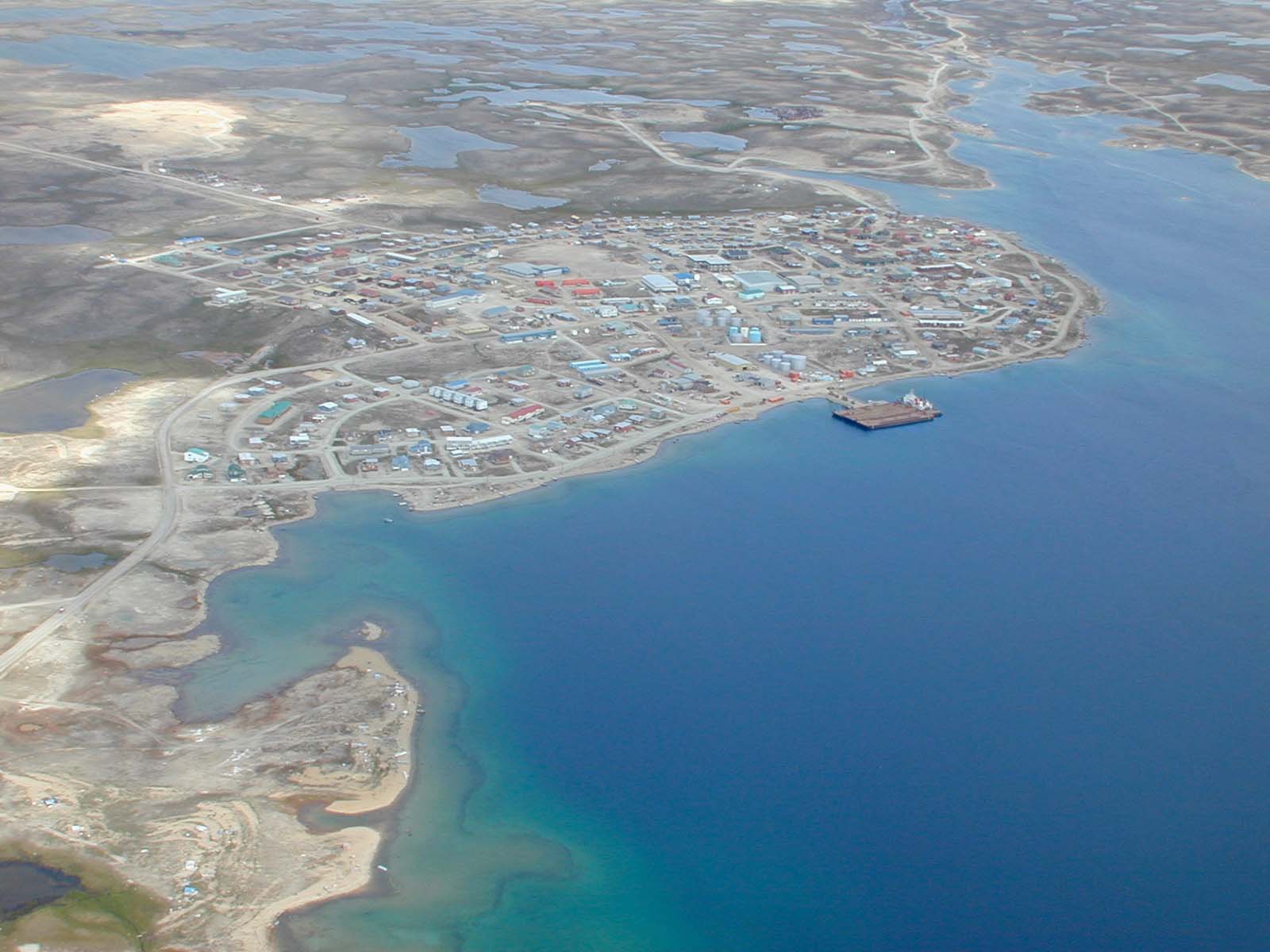
    After months of deliberation, the Canadian government has chosen Cambridge Bay — a hamlet midway along the Northwest Passage in the country’s far north — as the site for a world-class Arctic research station.

    Once built, the station will house scientists all year round, giving them a modern space to study Arctic issues, including climate change and natural resources. It will host conference facilities and laboratories for research on marine biology and geophysics, provide ecologists with the space to do long-term ecological monitoring in aquaria and greenhouses, and give researchers in the health and social sciences a base for their studies.

    “It’s a very exciting and long-awaited announcement,” says Warwick Vincent, director of the Centre for Northern Studies at Laval University in Quebec City, who was part of the committee consulted by the government during the selection process.

    The proposal for the Canadian research station was first sketched out in 2007 and a shortlist of sites was released in 2009. A Can$2-million (US$1.9-million) feasibility study for the proposed station established its functions, preliminary costs and construction schedule and involved an analysis of three possible locations: Pond Inlet, Resolute Bay and Cambridge Bay, all in the northern territory of Nunavut.

    Details about the new facility’s size or overall cost have yet to be released by the government, but sources suggest that it will be completed some time in 2017 at a cost of about Can$200 million.

    → Read more at the Nature website

    → Also found in WorldChanging’s Arctic Round-up (September 3)