Tag: endangered species

  • US polar bears mark their territory

    US polar bears mark their territory

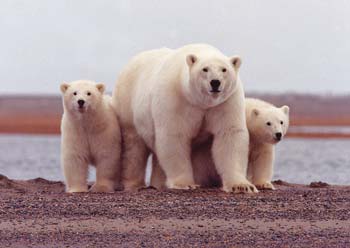
    More than two years after Alaskan polar bears were given a protection status of “threatened species” by the US Endangered Species Act, the Obama administration set aside on Wednesday 24 November 484,330 sq kilometres — twice the size of the UK — in Alaska as “critical habitat”.

    Almost all of the area is offshore sea ice habitat — where polar bears spend most of their time hunting seals, breeding and travelling—in the Beaufort and Chukchi seas off Alaska’s northern coast. It also includes on-shore barrier islands and land used for making dens. About 4,800 polar bears ramble along Alaska’s ice and shores.

    The story continues at Nature’s blog The Great Beyond

  • Taxonomy in Trouble in Canada

    Taxonomy in Trouble in Canada

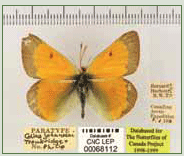
    Canada is at risk of losing its taxonomic expertise, according to a report released today.

    The report details stagnant research funding, greying experts, a lag in digitization and a lack of support for national collections. This is threatening Canada’s understanding of its biodiversity, and the ecosystem services it provides, the report concludes.

    “Canadian contributions to describing new species has dropped from being 6th in the world to 14th in the last decade,” says Thomas Lovejoy, Biodiversity Chair at the Heinz Center for Science, Economics and the Environment, who chaired the panel of 14 Canadian and international experts who authored the report. “The taxonomic expertise in Canada is slipping at the moment when it needs to surge forward.”

    The effects are already being felt. The Committee on the Status of Endangered Wildlife in Canada recently filled positions on its subcommittees with outside experts because not enough Canadians had expertise in several taxonomic groups, including terrestrial and freshwater molluscs, lichens and mosses, the report says.

    Canada has more than 50 million wildlife specimens in collections worth over CDN$250 million, but there is no strategy for their maintenance, says David Green, director of the Redpath Museum at McGill University in Montreal. There are few storage facilities with advanced climate and pest control systems, and many are bulging beyond capacity.

    The story continues on Nature’s blog The Great Beyond.