Tag: Free Radicals

  • Free Radicals Radio: Bring on the bugs!

    Babes in the woods

    Get outside

    Can a walk in the woods really change us? Scientists are beginning to think so. There’s evidence to suggest that being in a busy city environment can reduce the brain’s capacity to remember things and lower self-control. Kids are driven to school and back, and off to soccer practice, and then when they get home, they turn on the computer or TV and settle down to an evening of screen-tertainment. The growing children and nature movement suggests children’s problems with obesity, attention span and lack of understanding of the environment are connected to less outdoor play and exposure to nature. Do you have nature-deficit disorder?

    Listen to the show: Babes in the woods (Download full episode, October 9) or listen to it from the CKUT archive.

    Find out more

    Children and Nature Network
    Environment Canada’s Biokits
    Child & Nature Alliance

    Red Fox Remix

    Here’s a treat: Growing up in Toronto in the 1970s, I was exposed to Hinterland Who’s Who–one-minute wildlife video segments about muskox, moose and the mighty beaver. (See the Red Fox below.) Now the Canadian Wildlife Service and the Canadian Wildlife Federation have opened the nostalgia gates for parents across Canada and giving kids the chance to remix their own Hinterland Who’s Who. It’s brilliant. Make your own HWW remix with your favourite Canadian critter. Don’t forget to upload it to the HWW YouTube channel.

    HWW video Copyright CWS, CWF (2005) Please direct any questions about the video to info@hww.ca.

  • Climate change may alter malaria patterns

    Climate change may alter malaria patterns

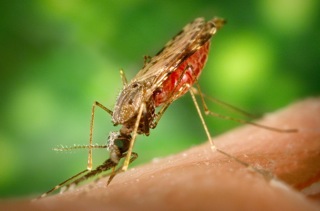
    mosquitoMalaria has long been endemic in Kenya’s humid lowlands and its tropical coast. But in recent decades there has been a spike in the number of malaria epidemics in the East African Highlands—an area where the people living there have little experience with the disease.

    The East African Highlands are high above sea level. Traditionally, the cool breezy climate has been inhospitable to mosquitoes. But in the late 1990s average temperatures in Kenya’s highlands were as much as 4 degrees higher than normal and the incidence of malaria jumped 300 percent. Many experts believe that climate change is fueling this new epidemic.

    Matt Thomas, an entomologist at Penn State University. He believes that temperature plays a key role in the development of malaria parasites in the mosquito, but that it is the daily temperature fluctuations that matter. Understanding these temperature fluctuations will be an important factor in understanding the spread of malaria. He’s studying malaria from the mosquito’s perspective: trying to understand its basic biology so that he can fill in the knowledge gaps of how temperature and environmental change might trigger a malaria epidemic.

    :: Listen on CKUT, 90.3FM ::

    * CKUT’s servers are down. Check back later for the mp3 of the show.

  • Arctic radio

    Arctic radio

    Free Radicals

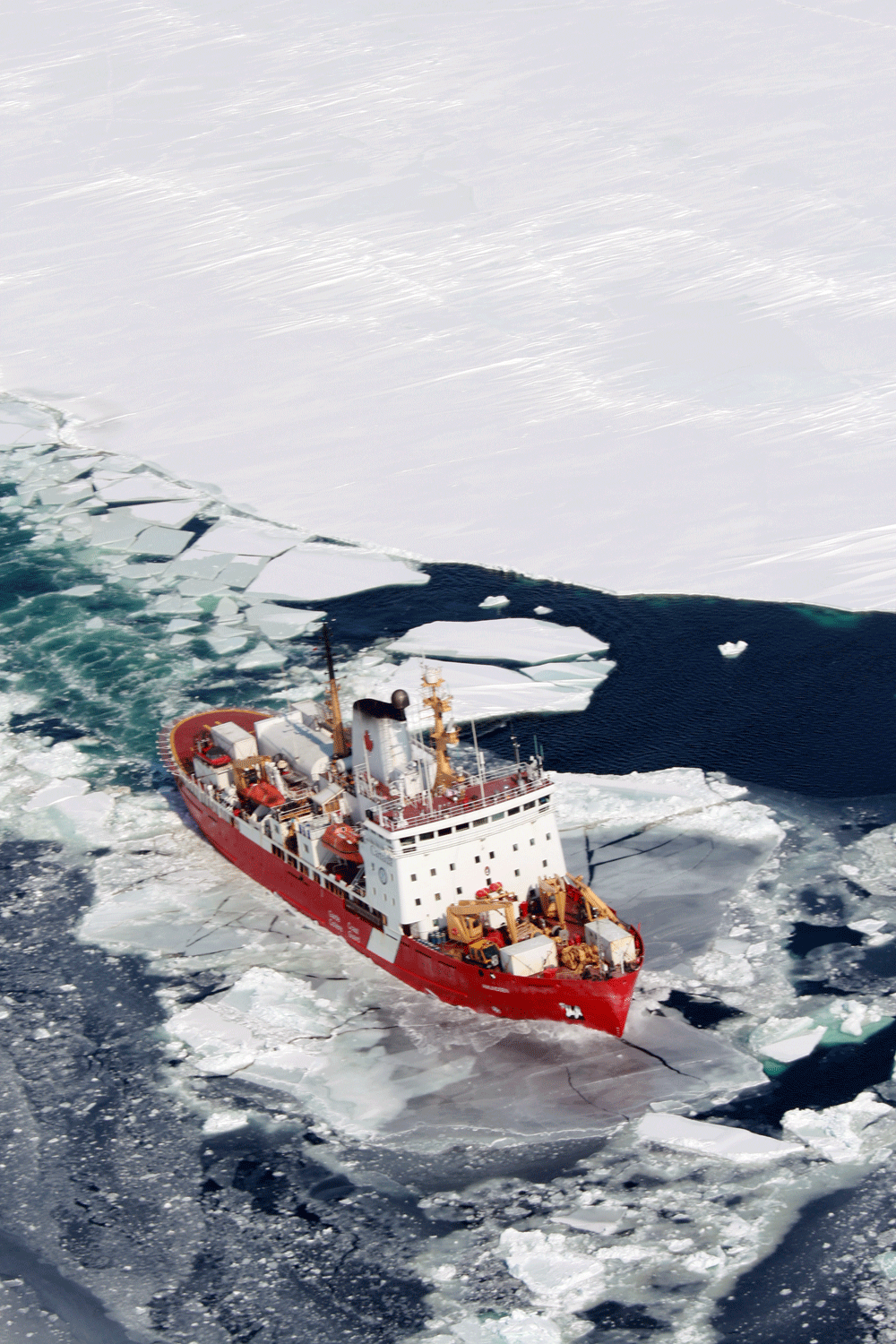
    When the CCGS Amundsen, a Canadian research ice breaker, left its home port of Quebec City in July 2007, it embarked upon a historic 15-month expedition that would have it travel across the Arctic and overwinter in the Beaufort Sea.

    The scientists on board the  Amundsen might spend their days hunting for ice algae, fishing for zooplankton, or surveying the contours of the nearby ice floes. The sounds of them at work were featured on Free Radicals (science, culture and connection), a radio program that airs on CKUT (90.3 FM Montreal) on Mondays.

    Listen to the show (August 18, 2008): Arctic Science (08.18.08)