Tag: ozone

  • Ozone-hole treaty slowed global warming

    Ozone-hole treaty slowed global warming

    Montreal Protocol helped to curb climate change and so did world wars and the Great Depression.

    Human actions that were not intended to limit the greenhouse effect have had large effects on slowing climate change. The two world wars, the Great Depression and a 1987 international treaty on ozone-depleting chemicals put a surprising dent in the rate at which the planet warmed, says research published today in Nature Geoscience1.

    Francisco Estrada, an ecological economist at the Free University in Amsterdam, and his colleagues analysed annual temperature data collected from 1850 to 2010, as well as trends in emissions of greenhouse gases such as carbon dioxide, methane and chlorofluorocarbons (CFCs) — ozone-depleting substances that also trap heat in the atmosphere — between 1880 and 2010.

    Instead of relying on climate-model simulations, the researchers used a statistical approach that they say helped them to get a better look at how components of the climate system contribute to its warming or cooling by trapping heat, an effect called radiative forcing. They found that changes in warming coincided with human-initiated adjustments in greenhouse-gas emissions.

    A cooling period between 1940 and 1970 had previously been chalked up to natural variability and the Sun-shielding effect of pollution emitted by European industries, as they recovered after the Second World War. But Estrada and his colleagues found that it followed a reduction in greenhouse-gas emissions associated with economic downturns, when industries were less active. Significant drops in emissions occurred during the First World War, the Great Depression of the 1930s and the Second World War.

    “When the wars end and you have large economic growth, the emissions of CO2 rise fast and you have the onset of modern climate change,” says Estrada.

    Keep reading this article in Nature.

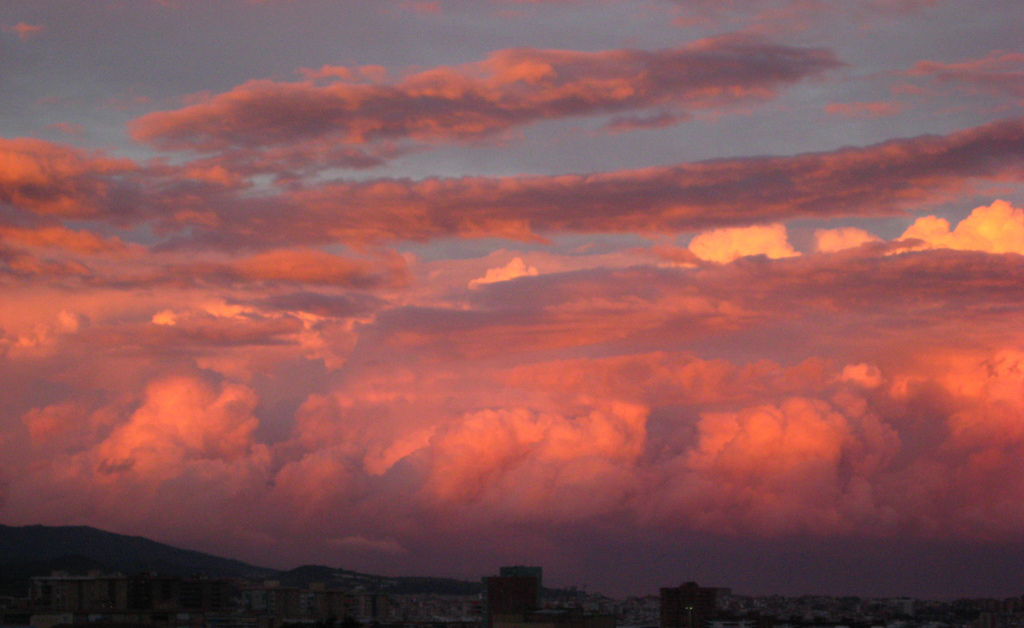
    Image by Scott Witt via Flickr.

  • Ozone loss warmed southern Africa

    Ozone loss warmed southern Africa

    Nature

    Antarctic ozone hole’s effects may have spread much wider than thought.

    Ozone loss over the South Pole might be the reason for a two-decade rise in early summer temperatures across southern Africa, according to research published today in Nature Geoscience1.

    Desmond Manatsa, a climate scientist at Bindura University of Science in Zimbabwe, and colleagues analysed data sets of southern African climate from 1979 to 2010, covering the years before and after the development of the ozone hole over the Antarctic. They found that the size of the ozone hole seemed to influence wind patterns and triggered an upward shift in early summer temperatures.

    Manatsa had been puzzled by the abrupt and seasonal increase in surface air temperatures in southern Africa. “The temperatures were actually significantly higher than those of other seasons and the rising assumed a shift rather than a slow and gradual manner,” he says. The warming did not match what he expected to see from greenhouse-gas emissions.

    Continue reading the story in Nature

    Image via sergioarosa on flickr.