Tag: pollution

  • Air pollution delivers smaller babies

    Air pollution delivers smaller babies

    Study of 3 million infants suggests connection between inhaled particles and birth weight.

    Pregnant women who have been exposed to higher levels of some types of air pollution are slightly more likely to give birth to underweight babies, a large international study has found. The results are published online today inEnvironmental Health Perspectives1.

    Low birth weight — defined as a newborn baby weighing less than 2.5 kilogrammes — increases the risk of infant mortality and childhood diseases, and has been associated with developmental and health problems later in life, including diabetes and cardiovascular disease.

    Previous studies have looked at whether exposure to tiny airborne particles during pregnancy leads to more low-birth-weight babies. Although many studies have found links, others have failed to establish a connection.

    “The thorn in the side of many studies of air-pollution exposure and impact on fetal growth has been the variability in study design and in exposure assessment,” says Leonardo Trasande, a children’s environmental-health researcher at New York University in New York city. “This one does a tremendous service by making them very comparable.”

    Read more.

  • River metals linked to tar sand extraction

    River metals linked to tar sand extraction

    Researchers find that pollutants in Canada’s Athabasca River are not from natural sources.

    Oil-mining operations in Canada’s main tar sands region are releasing a range of heavy and toxic metals — including mercury, arsenic and lead — into a nearby river and its watershed, according to a new study.

    Research published online yesterday in the Proceedings of the National Academy of Sciences shows that 13 elements classified as priority pollutants (PPEs) by the US Environmental Protection Agency were found in the Athabasca River in the province of Alberta1. Seven of these were present at high enough concentrations to put aquatic life at risk. The findings are also of concern to human health.

    Almost all of Alberta’s known oil reserves — 172 billion barrels — are found within tar sands. The provincial government expects that oil production will increase from about 1.3 million barrels per day to 3 million barrels per day by 2018.

    Tar sands mining and upgrading — the process of extracting fuel from the mix of petroleum and sand or clay — produces sand, water, fine clays and minerals that are contained within tailing ponds.

    A team led by ecologist David Schindler of the University of Alberta in Edmonton set out to test the government and oil industry’s claims that the concentrations of elements in the Athabasca River and its tributaries were from natural sources and not tar sands development.

    The team took samples of surface water from the waterways upstream of the tar sands region and compared them with samples taken within the region — both upstream and downstream of mining projects. The researchers also looked at snow samples from many of the same areas towards the end of winter to look for airborne sources of PPEs, which would be discharged to surface waters when the snow melted.

    → Keep on reading at Nature

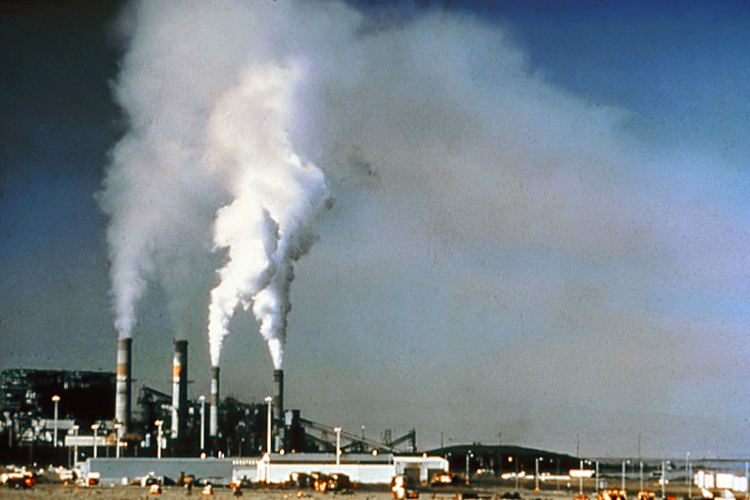
    Image courtesy of NormanEinstein and Wikimedia Commons.