Tag: public health

  • The New Lice Wars

    The New Lice Wars

    Maclean’s

    Despite evidence that it’s time to abandon the no-nit rule requiring kids be sent home, schools have yet to get the message.

    When her three-year-old daughter was in daycare, Lisa got her first lice-alert telephone call. There were a slew of calls during senior kindergarten and more in Grade 1. The message was the same each time: Her daughter had nits in her hair and needed to be picked up. Lisa, who lives in Toronto, would postpone client meetings and collect her. “Thank God I work for myself. I have great clients,” says Lisa, who asked that her full name be withheld.

    The Toronto District School Board (TDSB) is one of the few school boards in Canada that sends kids home when head lice or their eggs, called nits, are discovered. Its no-nit policies require children to be free of nits before they return to school.

    These dreaded lice calls peak after school breaks—in September, January, and after the March break. Children pick up the bugs at sleepovers, camp, or on family vacations when they visit friends and relatives, and bring the hitchhikers to class.

    “There has been a concern about head lice in school for years, and the board developed a procedure for how best to deal with it,” says Chris Broadbent, the manager of health and safety at the TDSB. The policy, in place since January 2001, has been reviewed every few years, most recently, in May 2012. “We always look at the medical advice out there,” says Broadbent.

    But the current policy runs counter to the latest recommendations of the Canadian Paediatric Society (CPS). “We don’t think a no-nit policy makes any sense,” says Joan Robinson, a member of the Canadian Paediatric Society’s infectious disease and immunization committee. In 2008—and again in 2014—the CPS evaluated the available evidence on controlling nits and lice, and determined there was no medical rationale for excluding children from school because they had nits or lice. “Unless you inspect every child, every day, how do you know there isn’t a child in school who does have head lice?” asks Robinson. “It becomes discriminatory.”

    → Keep reading this story at Maclean’s

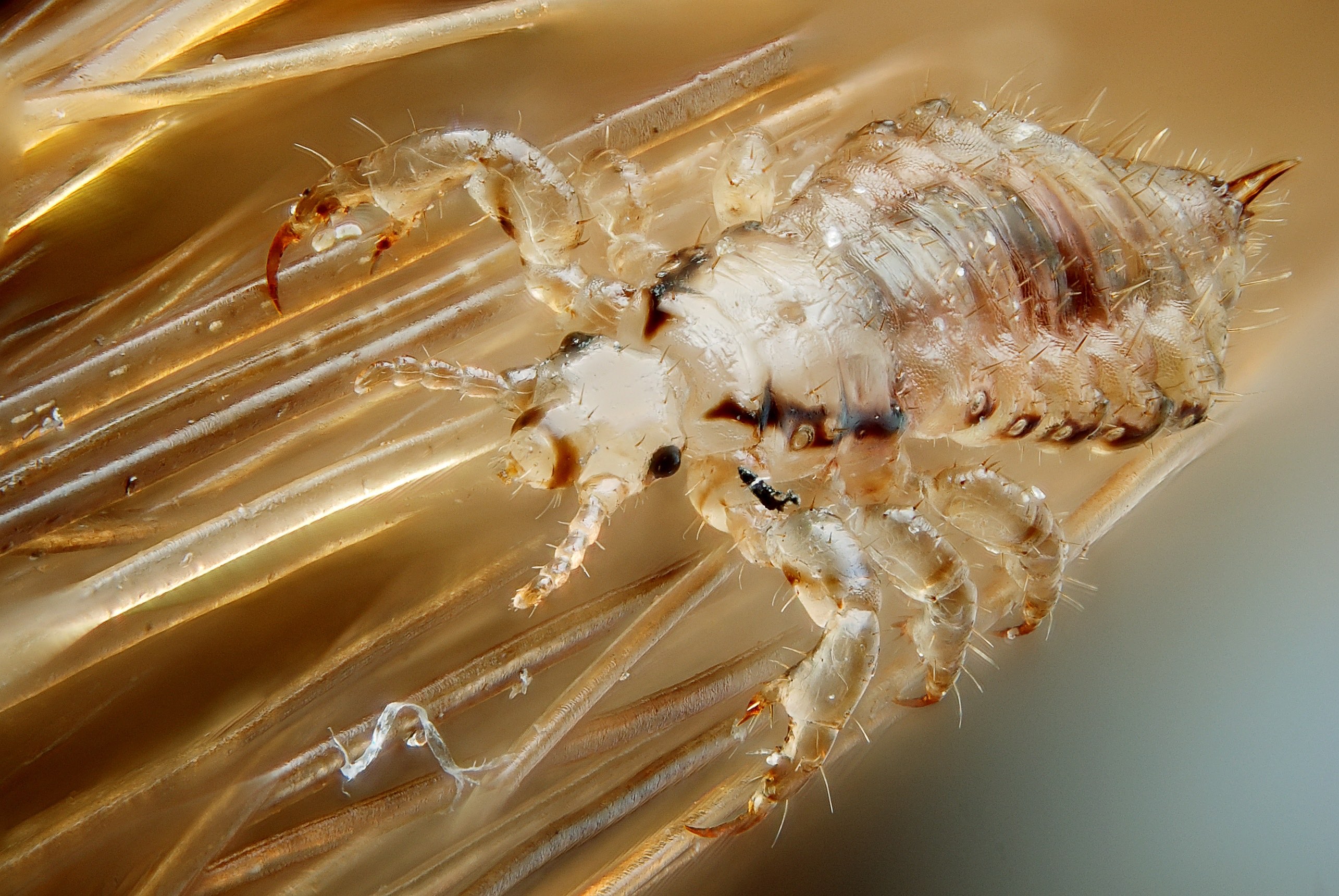
    “Male human head louse” by Gilles San Martin – originally posted to Flickr as Male human head louse. Licensed under CC BY-SA 2.0 via Commons – https://commons.wikimedia.org/wiki/File:Male_human_head_louse.jpg#/media/File:Male_human_head_louse.jpg

  • As millions gather for Kumbh Mela, doctors are watching

    As millions gather for Kumbh Mela, doctors are watching

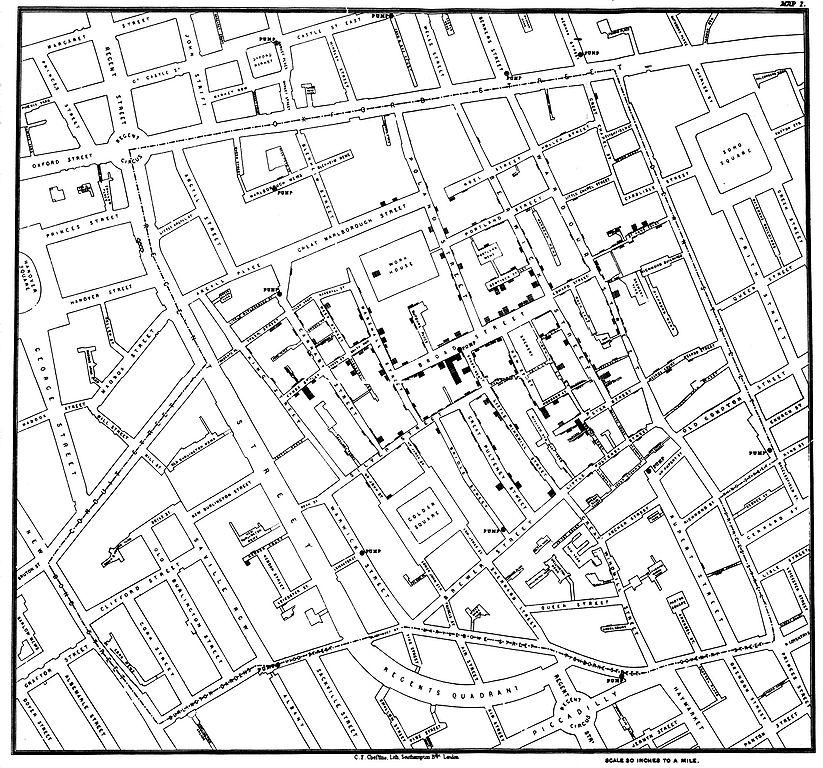
    When a cholera outbreak gripped a London neighbourhood in 1854, physician John Snow carefully mapped its deaths. The thin bars he traced under each address clustered around a water pump on Broad Street, which turned out to be the source of the bacteria. Snow’s studies of disease patterns won him recognition as the father of modern epidemiology—and crushed the prevailing theory that cholera was spread by bad air.

    Faced with the same challenge today, Snow might use a tablet computer. In mid-January, as the Indian city of Allahabad began ushering in millions of Hindu pilgrims for the religious festival Kumbh Mela, emergency physician and epidemiologist Gregg Greenough settled into a temporary field hospital with his tablet computer. He and his team from the Harvard School of Public Health were on the lookout for signs of influenza, tuberculosis, cholera and other diarrheal diseases. The plan is to record the temporary residence of each pilgrim admitted to hospital and plot it on a digital map that geolocates the festival’s toilets and drinking water. “We’re helping them digitize the data and analyze it in real time,” says Greenough. “It should help keep the pulse of the community and see if anything is emerging so they can act on it quickly.”

    CONTINUE…